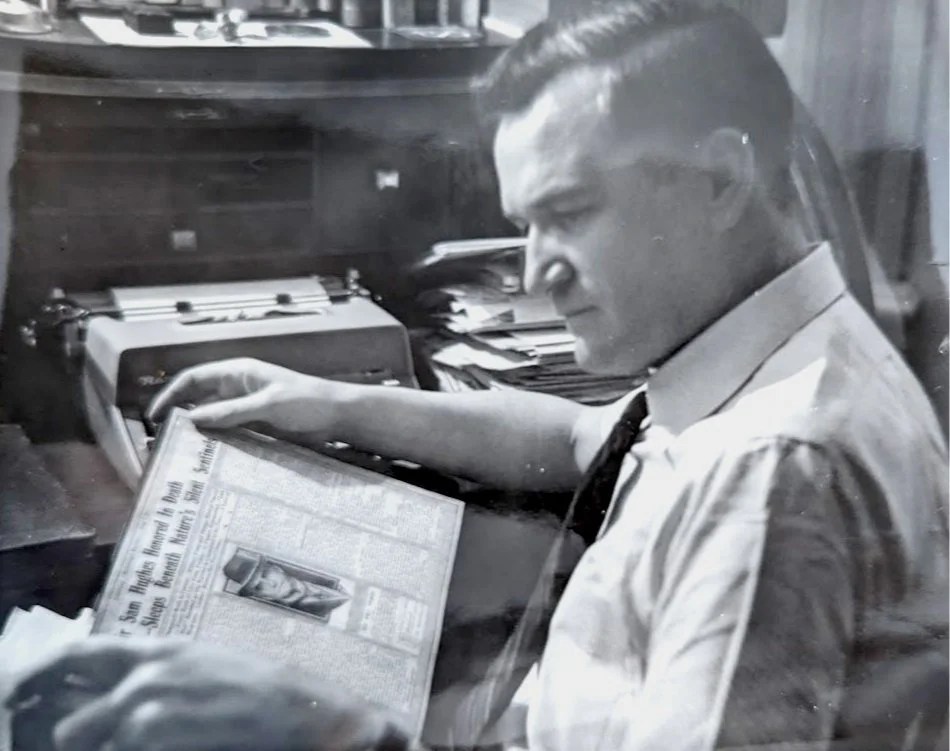
Known for being the longtime editor of the Lindsay Post, Alan R. Capon was also an author.
Photo: KLMA
Born in 1932 in England, Alan Roy Capon immigrated to Canada in 1937 as a married father of three. He was hired as a copywriter for the Robert J. Simpson company. In 1963, he established the Minden Times newspaper and was editor for the next two years, when he handed over the reins so he could helm the Lindsay Daily Post, where he remained editor until 1970. For the next twenty years, he was editor of the Kingston Whig-Standard and was also editor of the Picton Gazette. Capon was an active member of community organizations, a photographer, and an historian.
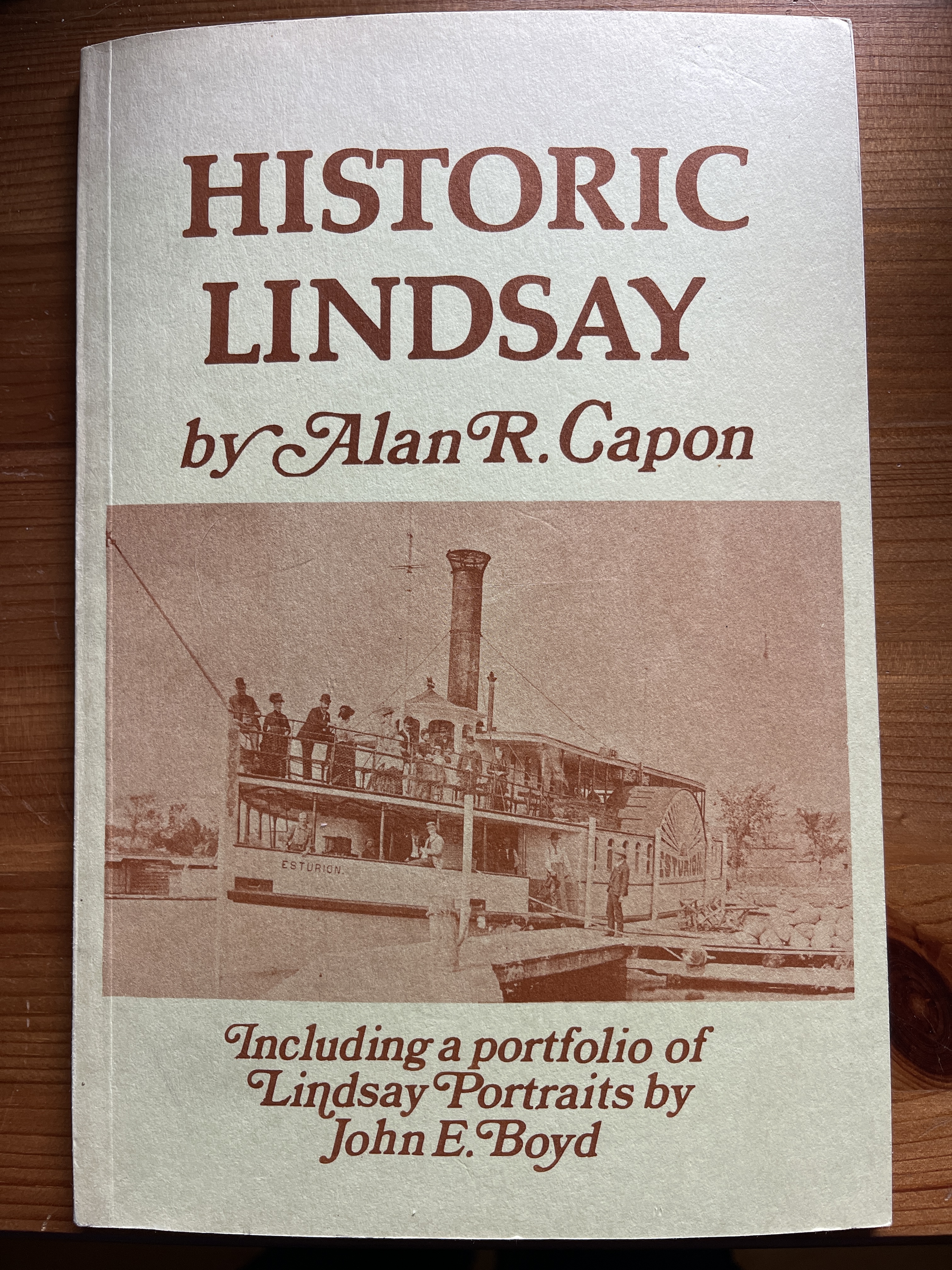
His books about Kawartha Lakes include His Faults Lie Gently: the incredible Sam Hughes (1969) and Historic Lindsay (1973).
The Kawartha Lakes Museum and Archives (KLMA) produced a digital exhibition about the Lindsay Post and included the biography of Alan R. Capon: https://www.klmuseumarchives.ca/lindsay-post
Books:
His Faults Lie Gently: the incredible Sam Hughes (1969)
Stories of Prince Edward County (1973)
Historic Lindsay (1973)
Prince Edward Treasury (1976)
Mascots of the Hastings and Prince Edward Regiment (1977)
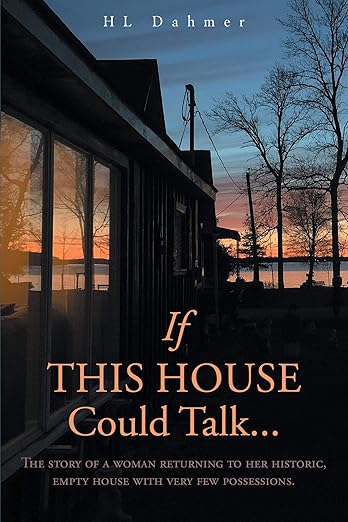
Heather Dahmer’s sense of humour and love of words has led her through many professional, volunteer, and personal experiences, including work with a non-profit charitable organization helping families dealing with workplace tragedy. Her unique and humorous perspective allows her to write stories about struggle and initiative, and they have forged her way through the things life drops at her door and through her attic walls.
Her article “Letting the Light Back In” won an award from Threads of Life in 2015, and explored love, loss, and beginning again as a widow in a whole new world after the loss of her husband. She is many things to many people: a mother, divorcee, window, step-grandmother, caregiver, and writer. She wrote a blog for years detailing her husband’s illness and last years, and If This House Could Talk is the first book in a new series. She lives in Dunsford, Ontario.
Arthur Russell is a retired paramedic of thirty-five years service and currently lives in Lindsay, Ontario, Canada. An author of both fiction and non-fiction, his previous published works include an e-book entitled “Hold That Thought” regarding the Law of Attraction and, more recently, a non-fiction book entitled “This Taste of Flesh and Bones” about enlightenment and our spiritual nature. Now sixty-three, he wishes to share his knowledge regarding enlightenment to help alleviate human suffering. In his spare time, he enjoys travel, adventure, motorcycling, and meeting new people, all of which enrich his life in countless ways.
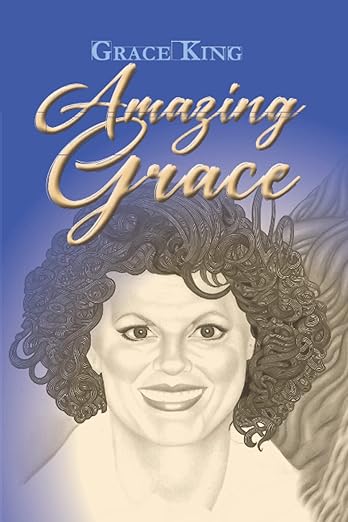
Grace King retired from the Ministry of Community Safety and Correctional Services in 2014. She has a wide range of skills and experience working within the private, public and not-for-profit sectors in volunteer management, program development and marketing. She volunteered for over 30 years for Tri-County Support Services, now Canopy Services.
In 2017, she completed a children’s book, proceeds from which she donated to the ALS Society, after her husband passed away from the disease (amyotrophic lateral sclerosis.) In 2022 she completed an autobiographical book in which she shared her challenges and successes along with tales about her relatives.
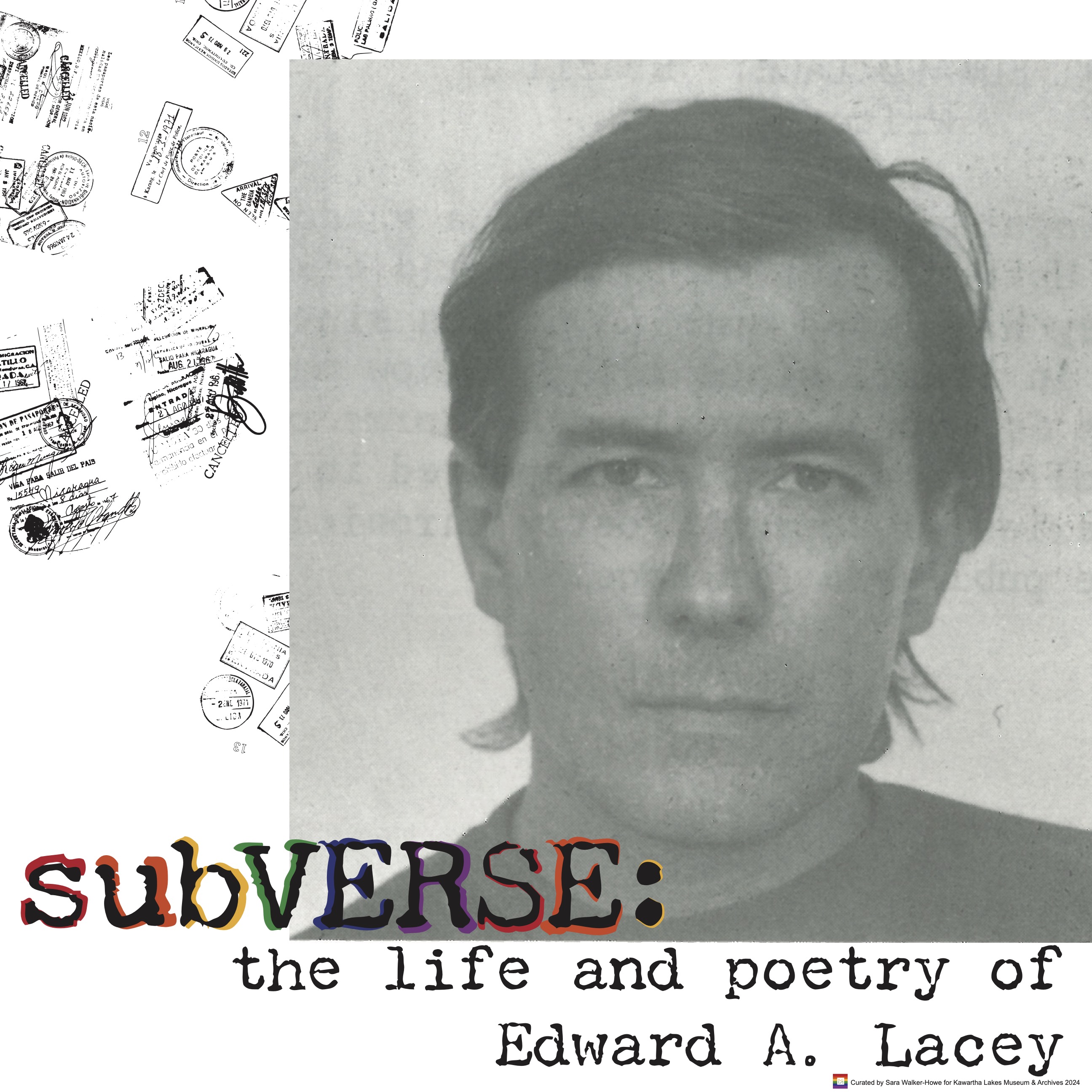
Edward A. Lacey (1937-1995) wrote and published what is known as the first openly gay poetry collection in English-speaking Canada. The book, The Forms of Loss, was sponsored by Dennis Lee and Margaret Atwood.
Edward A. Lacey was born and raised in Lindsay, Ontario, the only child to parents with prominent community connections: his grandfather was Dr. Fabian Blanchard; his father’s business partner was I.E. Weldon. Many of his cousins became priests or nuns, and it was expected Edward would also join the clergy if he didn’t become a doctor or a lawyer.
Even as a child, Edward knew he was different. In his teens, he knew he wasn’t like his hockey-playing friends. He possessed a keen mind for linguistics that won him scholarships to the University of Toronto and the University of Texas.
As primed for success as he was, Edward wore a path of self-destruction around the globe. He operated on the principle that “homosexuality was intrinsically subversive, individualistic, anti-family, anti-regimentation.” Multiple times, he was nearly expelled from university. He frequently spent time in jail. He got himself banned from entering the United States. For most of his life he slummed through third-world countries, working as a professor or tutor, or living a life of leisure, while penning the occasional poem or translating one from another language.
In 1995 Edward’s self-destruction fulfilled its ultimate conclusion, while his body of work attained barely a whisper in the landscape of Canadian literature despite its brilliance. When Fraser Sutherland published his biography of Edward Lacey, the Malahat Review said “many academic readers will no doubt be interested in what amounts to a very well-researched and entertaining biography of a heretofore neglected Canadian poet.”
subVERSE: the life and work of Edward A. Lacey is an exhibition that spotlights the body of work that Lacey left behind and his complicated connection to his much-hated hometown.
On exhibit at Kawartha Lakes Museum & Archives, located at 150 Victoria Avenue North. 705-324-3404, info@klmuseumarchives.ca. Admission is $5/adult, $3/child(6-18). Admission is free for children under 6 and for members of the Kawartha Lakes Museum & Archives. Visit https://www.klmuseumarchives.ca/ for more information.
Winner of The Writers’ Union of Canada’s prose contest, Susan Wadds’ work has appeared, among others, in The Blood Pudding, Room, Quagmire, Waterwheel Review, Funicular, Last Stanza, and carte blanche magazines. The first two chapters of her debut novel, published by Regal House Publishing, “What the Living Do” won Lazuli Literary Group’s prose contest, published in Azure Magazine.
A graduate of the Humber School for Writers, Susan is a certified Amherst Writers and Artists (AWA) writing workshop facilitator.
As a settler married to an Ojibwe man with whom she has a son, Susan has been immersed in Indigenous culture and tradition for the past thirty years. She lives in Kawartha Lakes in the former Dalton township by a quiet river on Williams Treaty Territory in South-Central Ontario with an odd assortment of humans and cats.
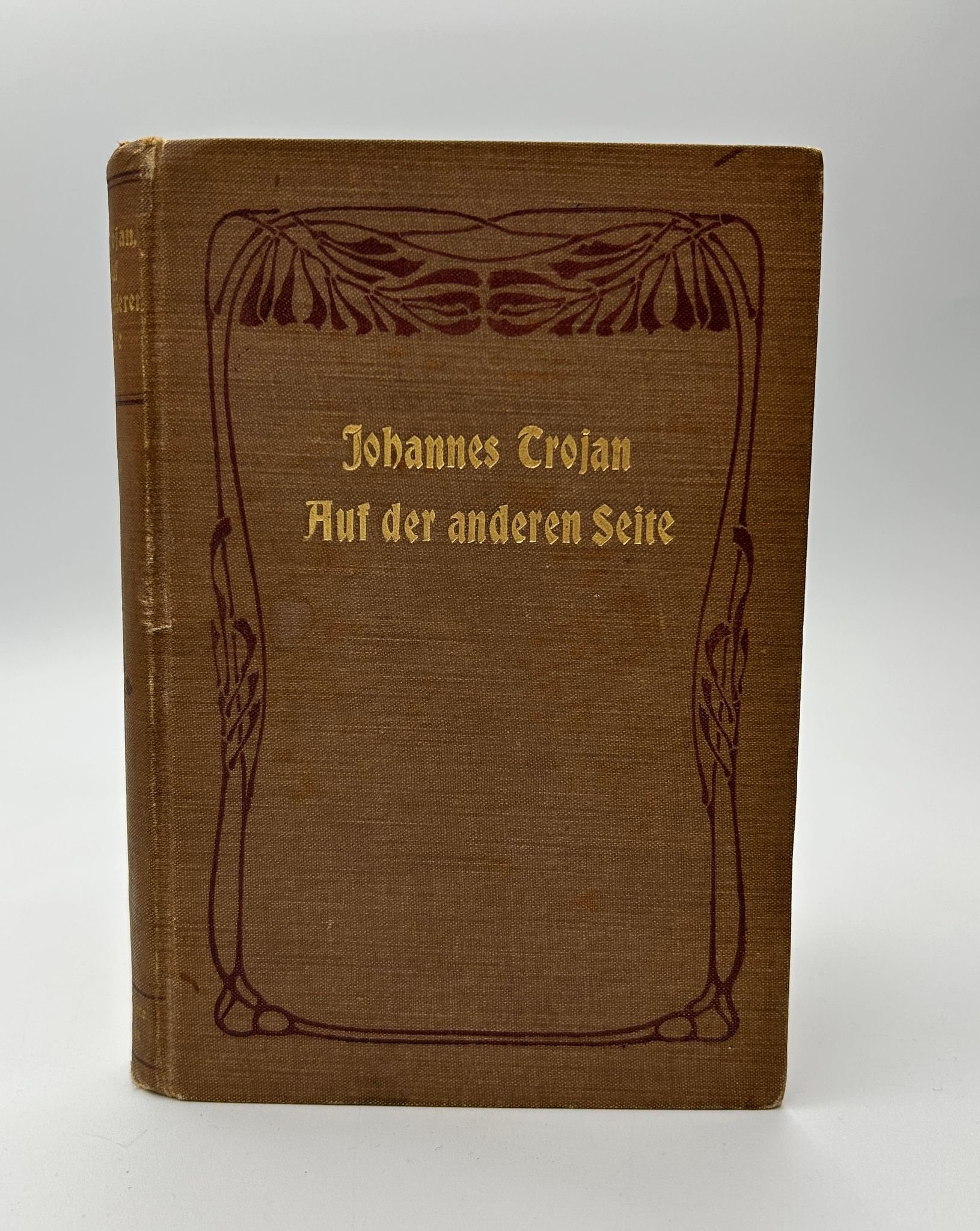
In the year 1900, German writer, Johaness Trojan, came to Kawartha Lakes and wrote about his experience in the book, Auf der anderen Seite. The book is new item at the Kawartha Lakes Museum & Archives.
Trojan and wife. Photo: KLMA.
Trojan was the author of 31 children’s books and 26 other books. He wrote regularly for the weekly newspaper, Kladderadatsh, and served as editor-in-chief from 1886 to 1909. Since Trojan was also a travel writer, it’s assumed he came to Canada to write, but the reason for his decision to visit and document his journey through Kawartha Lakes is not known.
Trojan arrived in Toronto in June 1900 and headed north through the Muskokas and Haliburton area with J.A. Steele and his wife. The group met up with Thomas and Lillian Stewart at the Stewart cottage on Sturgeon Point, where they stayed a few days before departing to stay at the Stewart house in Lindsay. While in town, Trojan took in the visiting circus and a tour of Lindsay Collegiate Institute.
Auf der anderen Seite, which translates to “from the other side,” devotes a full chapter to Trojan’s experiences in Kawartha Lakes, including his travels aboard the steamers, Manita:
When we had eaten lunch, enjoyed ourselves outdoors, and enjoyed the wonderful scenery, we were called to our Manita, which was lying in the water below. We descended the granite hill on which the inn stands us on board, and were now entering the Stony Lake, which abounds in islands and islets – there are, I think, eight hundred or more of them, some of them showing pretty country houses, others modest boat-houses.
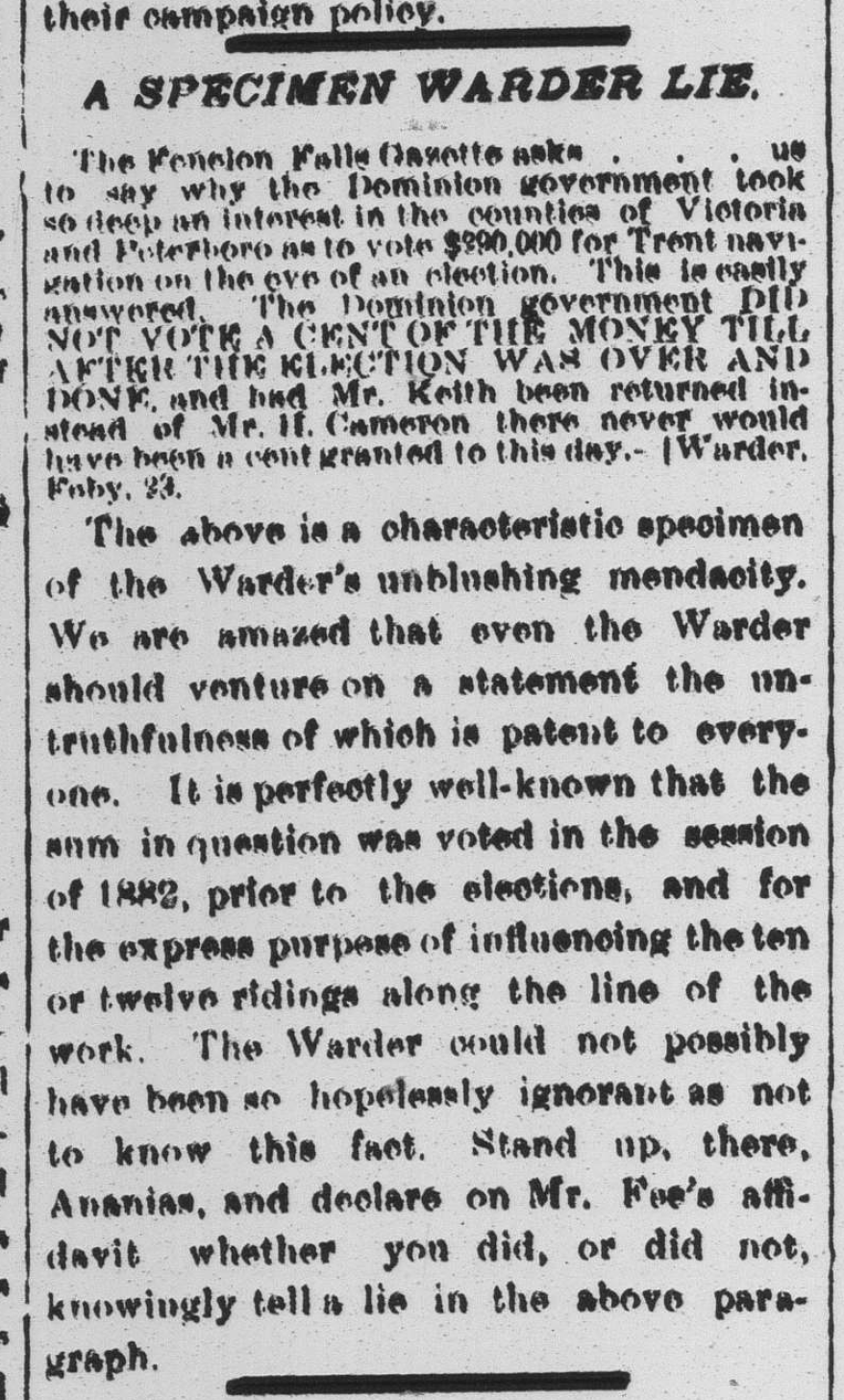
In March of 1883, the editor of the Canadian Post called out rival paper, the Warder, for spreading fake news. In a column titled, “A Specimen Warder Lie,” the Post reprinted the paragraph of “untruthfulness” and followed with a cheeky rebuttal.
The Fenelon Falls Gazette asks . . . us to say why the Dominion government took so deep an interest in the counties of Victoria and Peterboro as to vote $390,000 for Trent navigation on the eve of an election. This is easily answered. The Dominion government DID NOT VOTE A CENT OF THE MONEY TILL AFTER THE ELECTION WAS OVER AND DONE, and had Mr. Keith been returned instead of Mr. H. Cameron there never would have been a cent granted to this day. [Warder, Feb 23.]
This above is a characteristic specimen of the Warder’s unblushing mendacity. We are amazed that even the Warder should venture on a statement the untruthfulness of which is patent to everyone. It is perfectly well-known that the sum in question was voted in the session of 1882, prior to the elections, and for the express purpose of influencing the ten or twelve ridings along the line of the work. The Warder could not possibly have been so hopelessly ignorant as not to know this fact. Stand up, there, Ananias, and declare on Mr. Fee’s affidavit whether you did, or did not, knowingly tell a lie in the above paragraph.
The Canadian Post, Friday, March 2, 1883.
In fact, the Post called out the Warder for spreading lies on more than one occasion, and editor Sir Sam Hughes even faced charges of slander.
Fake news has been around forever. It is the reason we need ethics in journalism and diverse newspapers and not a single conglomerate controlling all media. Imagine if the Warder had been the only newspaper in 1883.
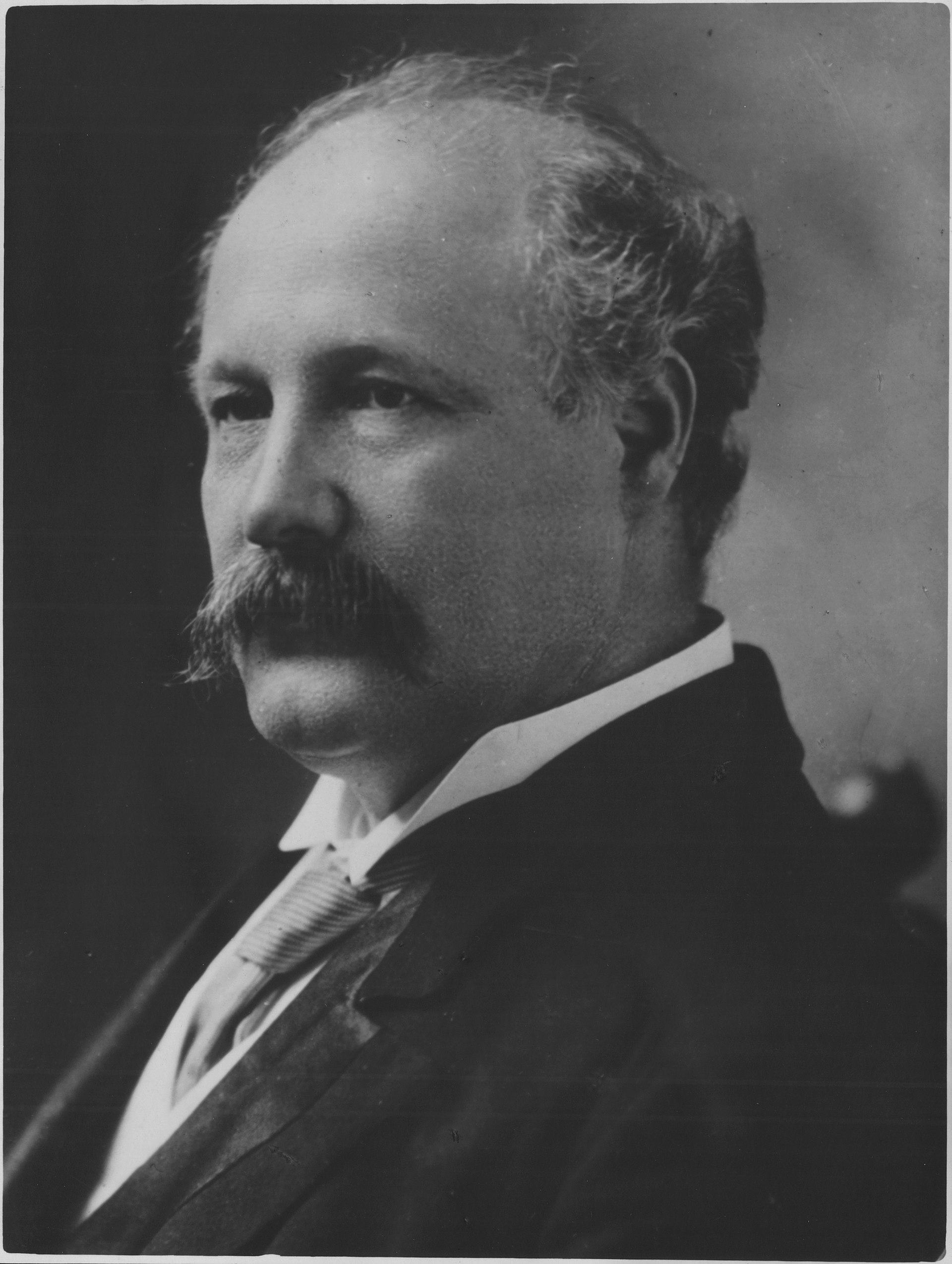
William Albert Sherwood (1859-1919) was born in Omemee on August 1, 1859. His father, William Sherwood, was born England, settled his family in Omemee, where he worked as a shoemaker. His mother was Eliza from Ireland, and his siblings included five brothers (Henry, Thomas, George, Joseph, Arthur) and three sisters (Ann, Jane, Laura.)
In 1881, The Canadian Post began publishing Sherwood’s poetry, starting with lines dedicated to the Rev. Dr. Jeffers, titled, “Mind and Matters.” At the time, Sherwood was living locally in Kawartha Lakes (then Victoria County.) The editor took a shining to Sherwood’s work and went on to publish many of his poems. Then, in the June 11, 1886 edition, the Post published this brief note about Sherwood, “We notice that Mr. W. A. Sherwood, artist, has taken charge of the department of drawing, painting and perspective at the Toronto business college.”
Even after Sherwood moved to Toronto, the Post continued to publish his poems, but by this time so were the Toronto papers and other papers across Canada and editors of poetry collections. It wasn’t long before Sherwood had his own volume of poetry published.
LAKE COUCHICHING
Oft have I loitered listening, Couchiching,
   To the soft lull of distant waving trees
At evening, and the sweet murmuring
   Of waters waken'd with the evening breeze
To one, whilst wandering thy shores along
Unseen, sweet voices hymn their evening song.

Long since the Red Man named thee Couchiching,
   Or built his wigwam rude upon thy shore;
But longer after shall the minstrel sing
   Of him that named thee but knows thee no more.
Unlike with thee had I that minstrel power,
I'd sing thee long, I'd sing thee every hour!

Hallowed that mourn when first we learn to know
   How near to Nature are the hearts we prove;
More hallowed still in even's after-glow,
   How dear to Nature is the one we love.
Thus thy bright waters, joyous Couchiching,
O'er one I love for ever seem to sing.

From, Songs of the Great Dominion, edited by William Douw Lighthall, Walter Scott, England, 1889.
Sherwood also wrote about Canadian art and gave speeches at events with his speeches being reproduced as essays in the Toronto papers. His most well-known essay was “The National Aspect of Canadian Art” that was included in Canada: and Encyclopaedia of the Country: History of Presbyterianism, edited by John Castell Hopkins, Linscott Publishing Company, 1898.
The want of a broad sympathetic interest in national Art has, however, deterred the progress and, to a large measure, fatally injured this branch of the Art life of our country. The evil has been increased by the taste of men of wealth in Montreal and Toronto, who have covered their walls with foreign pictures largely to the exclusion of native work. The contention that the native work is not equal in artistic treatment is advanced, and that it does not possess names which are world-honoured.
“The National Aspect of Canadian Art” by W.A. Sherwood, 1898.
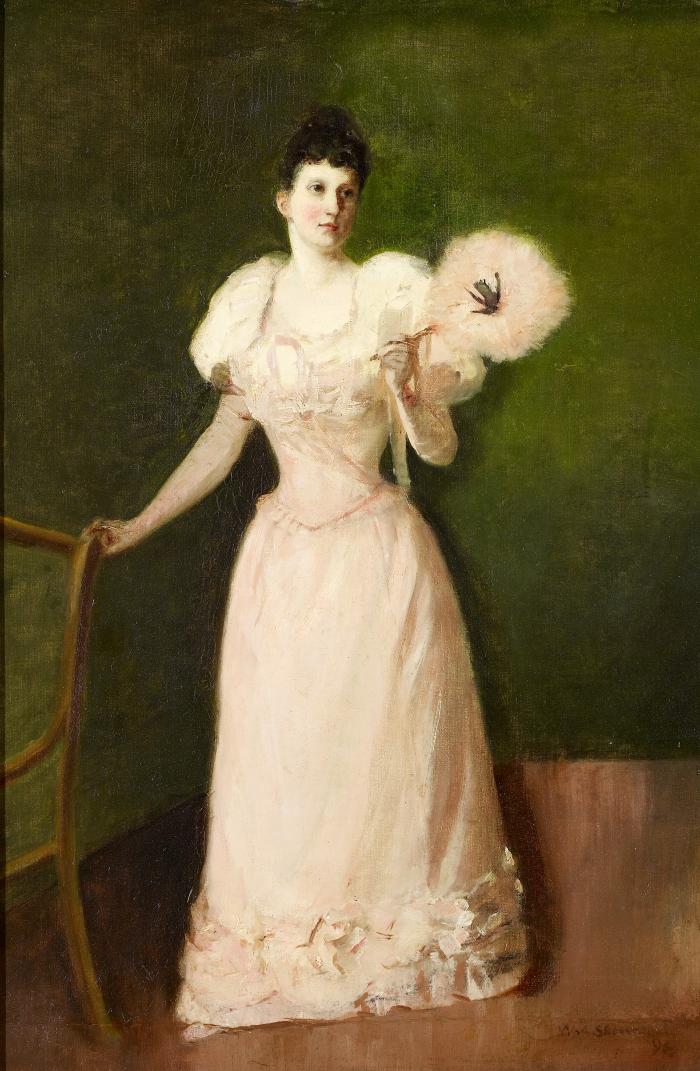
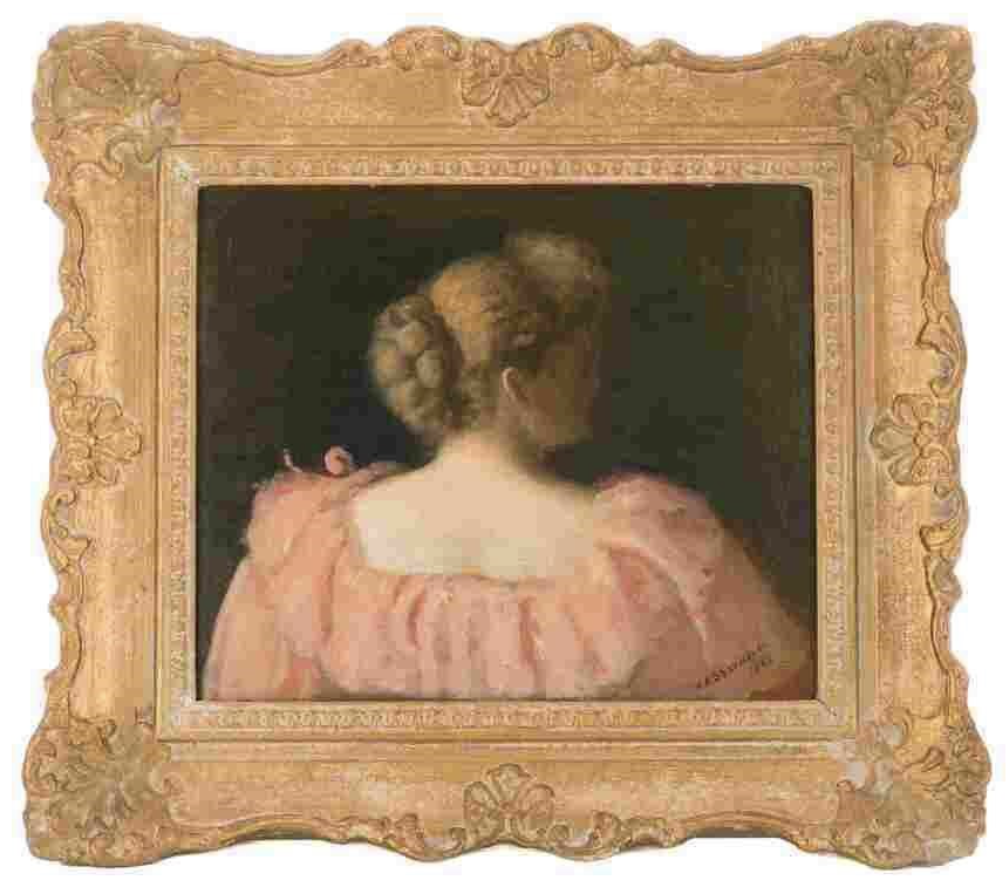
Sherwood painted his first portrait at age 15 and soon rose to prominence in Canadian art circles. In the 1881 Census, at just 26 years of age, Sherwood’s occupation is listed as ‘Artist.’ The best known of his paintings included, “The Gold Prospector,” which was in the possession of the Ontario Government at the time of Sherwood’s death, “The Canadian Rancher,” “The Canadian Backwoodsman,” “The Entomologist,” and “The Negotiation,” (pictured below) which was purchased by the Dominion Government.
His most controversial portrait was that of Sir George Ross.
In 1901, the Ross Club decided to have a portrait painted of the Premier of Ontario, Sir George Ross, for whom the club was named. They commissioned Sherwood, and the portrait was presented to Ross at a meeting in November that year at St. George’s Hall in Toronto.
Sherwood’s requested fee of $500 went unpaid. He claimed the frame alone cost him $100. He was paid $50.
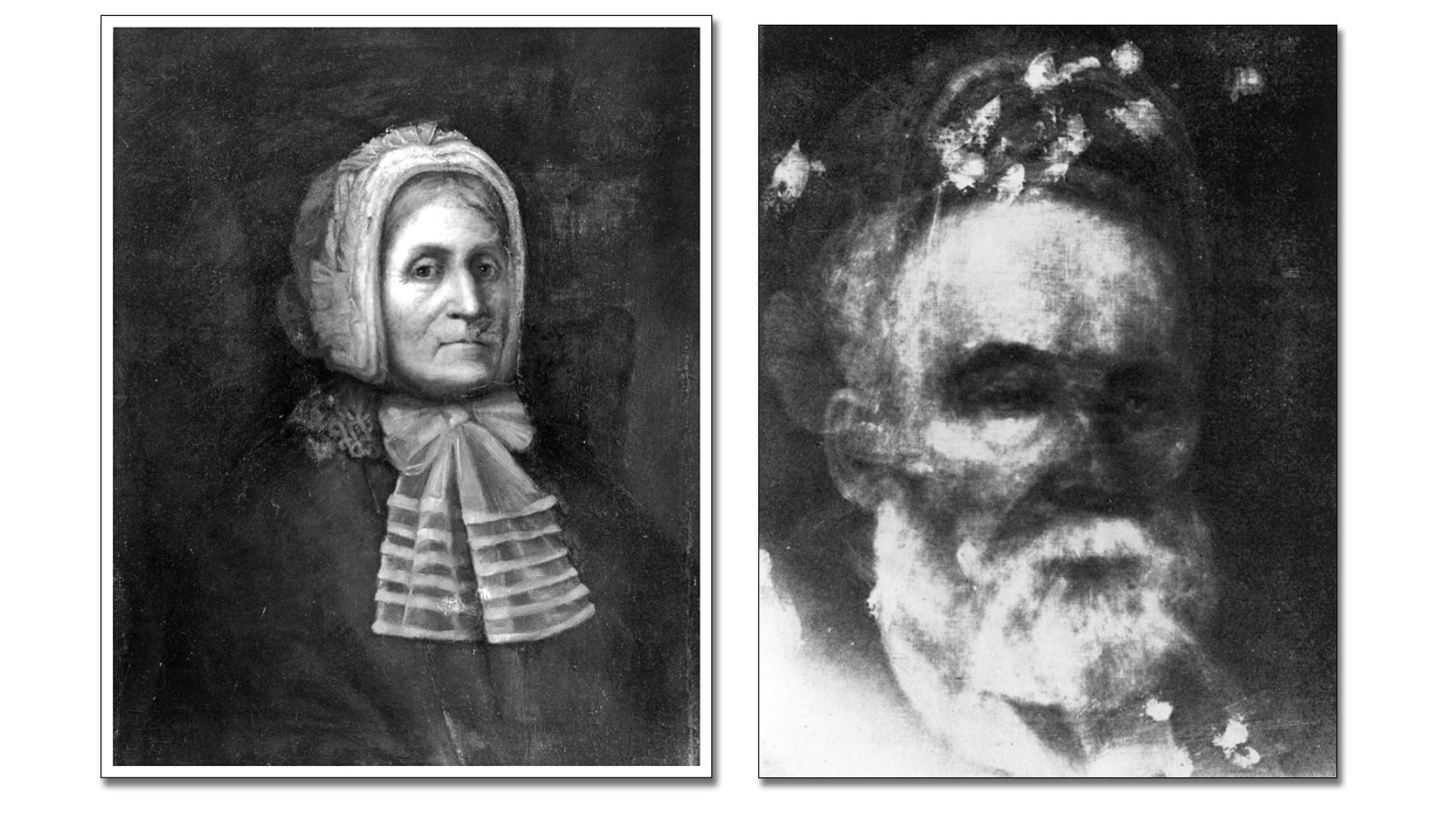
Turns out, Ross despised the painting. He insisted that after the presentation the picture be “turned to the wall and shoved aside.”
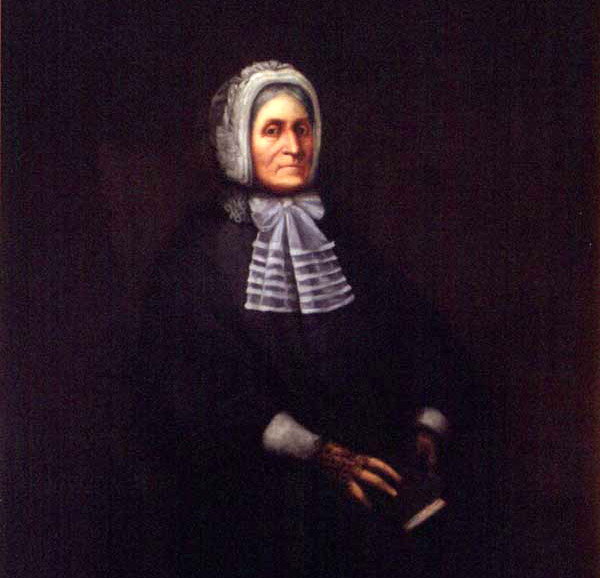
Instead, the painting was shipped to his home. Where his future wife, Mildred Peel, painted over it with a portrait of Laura Secord. The Secord painting was hung in the Provincial Legislature and she was paid a commission. Ross and Peel were married in 1907.
“Laura Secord” by Mildred Peel, 1904. At the Legislative Assembly of Ontario. (https://www.ola.org/en/photo/laura-secord)Detail of “Laura Secord” (left) and a 1936 x-ray of the same painting revealing the George Ross portrait beneath (right)
Among others, portrait subjects included Rev. Dr. Scadding, S.P. May, Lieut.-Col. A. E. Belcher, Alexander McLauchlan, the poet Sir Aemilius Irving, and Miss Pauline Johnson.
Sherwood exhibited in Canada, Great Britain and the United States. He was one of the founders of the Central School of Art and Design of Toronto and the Anglo-Saxon Union. He served as president of the Progress Club of Toronto in 1898 and also of the Victoria County Old Boys’ Association. He was a member of the Ontario Society of Artists, an Associate of the Royal Canadian Academy, and life member of the Canadian Institute.
In 1899, his painting, “St. Bernard,” was one of several selected by the Provincial Education Department and purchased by the Provincial Government. (Report of the Minister of Education, Ontario, 1899. Ontario Sessional Papers, 1900, No. 12-14.)
Sherwood died December 5, 1919 in Toronto and was buried at the Mount Pleasant Cemetery. He was unmarried with no children.
Works:
Sherwood, W. A., Lays, Lyrics and Legends, Hunter-Rose, 1914.
“Temperance soldiers: song and chorus,” lyrics by W.A. Sherwood, music by J.F. Johnstone. 1887.
“THE ROSS CLUB MEETING.” The Globe (1844-1936) Nov 12 1901.
“W. A. SHERWOOD, LOCAL ARTIST, PASSES AWAY: NOTED AS PAINTER OF PORTRAITS AND CANADIAN SCENE PICTURES END COMES SUDDENLY.” The Globe (1844-1936) Dec 06 1919.
“Funeral of W. A. Sherwood to Mt. Pleasant Cemetery.” The Globe (1844-1936) Dec 09 1919.
“TORY PAINTED ROSS PORTRAIT, LATER HEROINIE: PRESENTATION OF “LAURA SECORD” OIL 30 YEARS AGO RECALLED.” The Globe (1844-1936) Feb 26 1936.
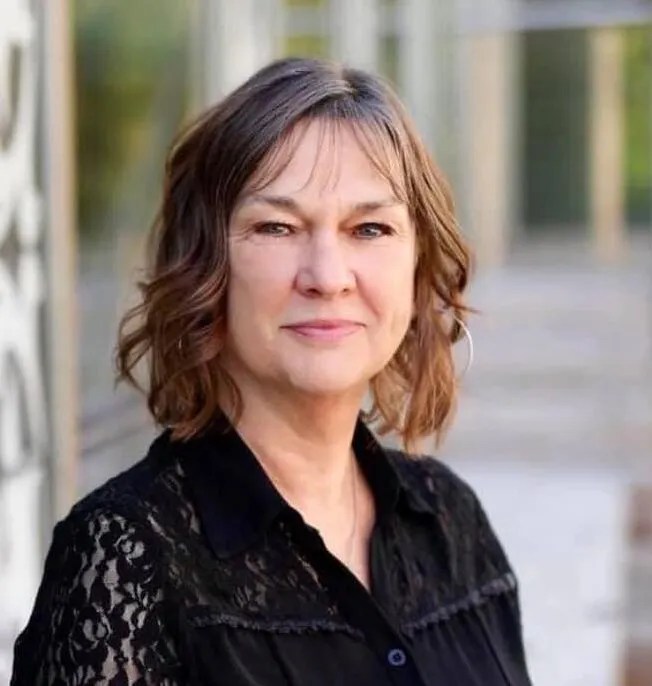
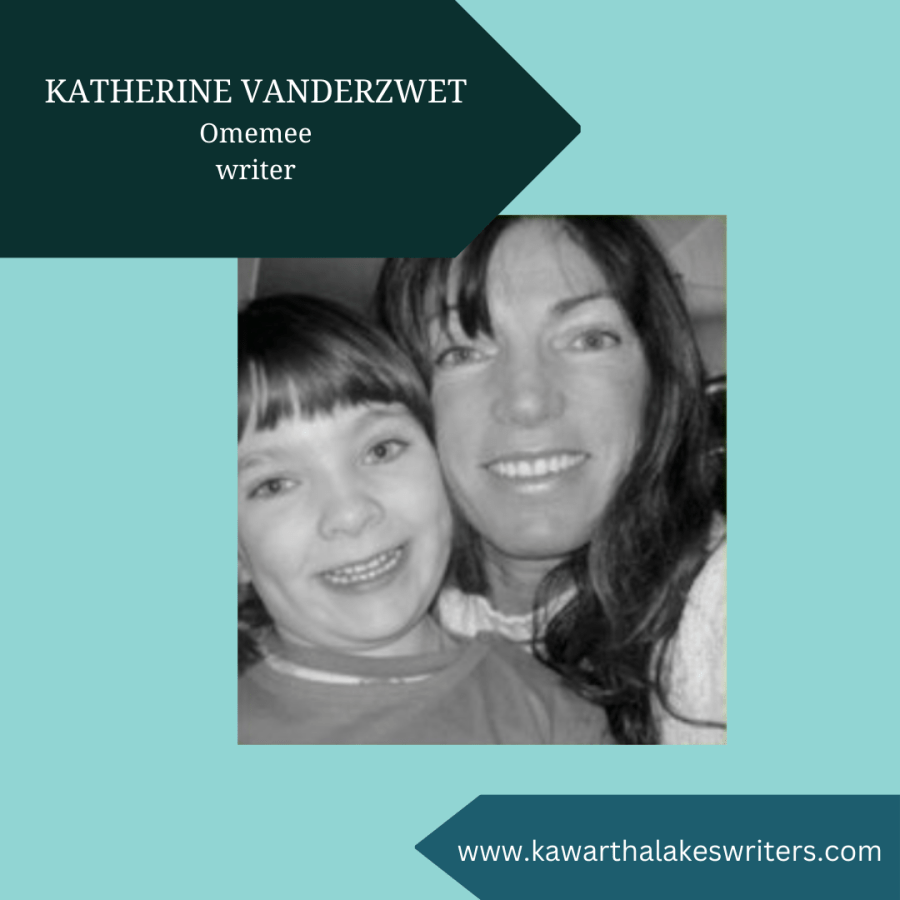
Originally from Bobcaygeon, Vanderzwet is a writer living in Omemee.
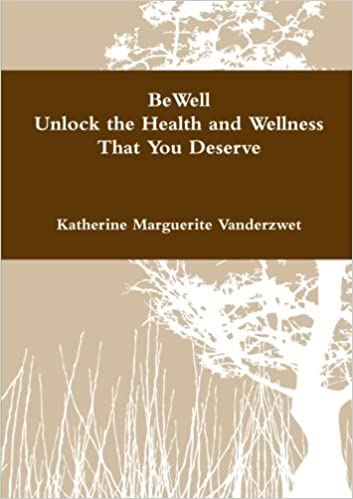
A certified lifestyle and wellness coach and personal trainer, she published her first book in 2012, Be Well: unlock the health and wellness that you deserve.
Books:
Be Well: unlock the health and wellness that you deserve (2012)







 kawarthalakeswriters.com