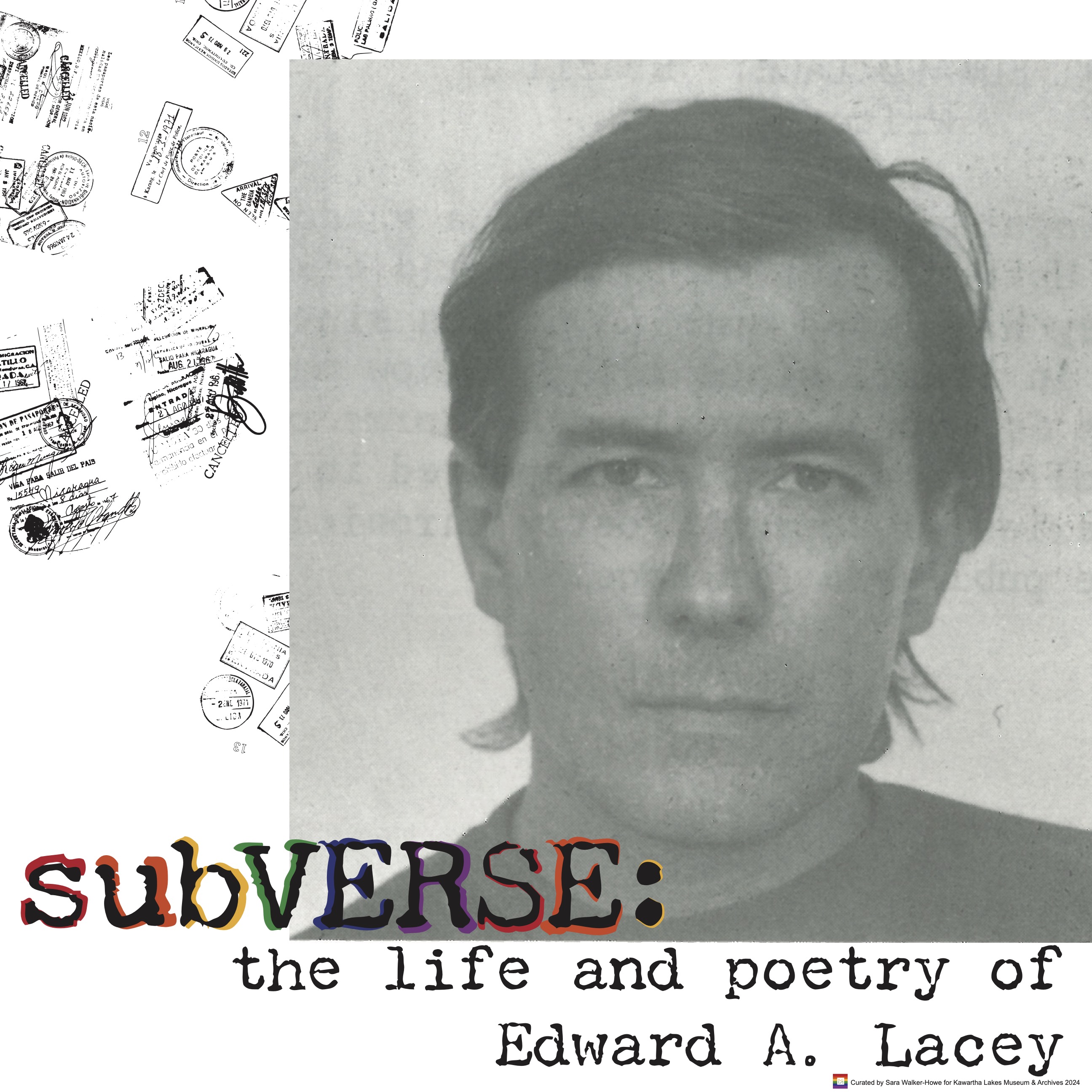
Edward A. Lacey (1937-1995) wrote and published what is known as the first openly gay poetry collection in English-speaking Canada. The book, The Forms of Loss, was sponsored by Dennis Lee and Margaret Atwood.
Edward A. Lacey was born and raised in Lindsay, Ontario, the only child to parents with prominent community connections: his grandfather was Dr. Fabian Blanchard; his father’s business partner was I.E. Weldon. Many of his cousins became priests or nuns, and it was expected Edward would also join the clergy if he didn’t become a doctor or a lawyer.
Even as a child, Edward knew he was different. In his teens, he knew he wasn’t like his hockey-playing friends. He possessed a keen mind for linguistics that won him scholarships to the University of Toronto and the University of Texas.
As primed for success as he was, Edward wore a path of self-destruction around the globe. He operated on the principle that “homosexuality was intrinsically subversive, individualistic, anti-family, anti-regimentation.” Multiple times, he was nearly expelled from university. He frequently spent time in jail. He got himself banned from entering the United States. For most of his life he slummed through third-world countries, working as a professor or tutor, or living a life of leisure, while penning the occasional poem or translating one from another language.
In 1995 Edward’s self-destruction fulfilled its ultimate conclusion, while his body of work attained barely a whisper in the landscape of Canadian literature despite its brilliance. When Fraser Sutherland published his biography of Edward Lacey, the Malahat Review said “many academic readers will no doubt be interested in what amounts to a very well-researched and entertaining biography of a heretofore neglected Canadian poet.”
subVERSE: the life and work of Edward A. Lacey is an exhibition that spotlights the body of work that Lacey left behind and his complicated connection to his much-hated hometown.
On exhibit at Kawartha Lakes Museum & Archives, located at 150 Victoria Avenue North. 705-324-3404, info@klmuseumarchives.ca. Admission is $5/adult, $3/child(6-18). Admission is free for children under 6 and for members of the Kawartha Lakes Museum & Archives. Visit https://www.klmuseumarchives.ca/ for more information.
Hayley Phoenix-Winterburn (she/they) lives in Norland, Ontario. After years of writing to herself for herself, Hayley has began the journey of writing for herself as well as for others. Sharing their journey of healing through poetry, Hayley writes about love & loss, trauma & healing, and what it is like growing up in a small town through it all.
Her first book, Chaos is a Friend of Mine, touches on all of these themes and more – available through Amazon.
Bobcaygeon resident publishes his first book of poetry, Expressions of a Poetic Posty. Now a retired postal worker, Morgan published the book at his daughter’s insistence.
Books:
Expressions of a Poetic Posty (2020) – One man’s journey through life’s hardships, high points and life-defining moments expressed through the art of poetic writing. A compilation of moments spanning a lifetime, written by a retired postal worker who has deep emotions and puts pen to paper to help himself process all that life throws at him. His writing will take you to these places with him and his beautiful written voice is one that many can relate too.
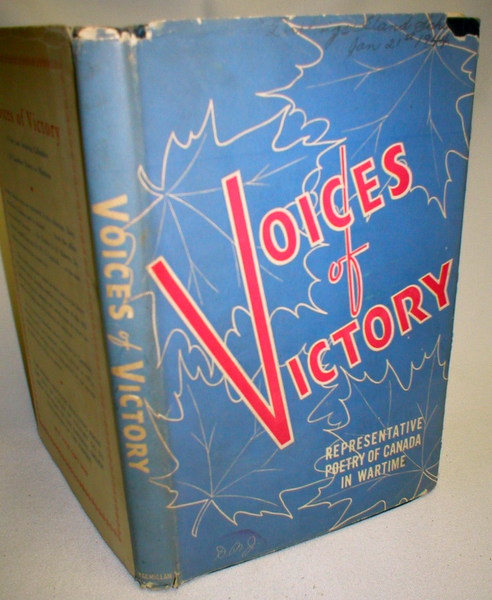
Three Kawartha Lakes writers were the judges for the 1941 anthology, Voices of Victory: representative poetry of Canada in wartime, a publication of the Canadian Authors Association, sponsored by the Seven Seas chapter of the IODE.
The anthology was the idea of the Poetry Group of Toronto. The project was taken on by the Canadian Authors Association, overseen by an editorial board with selection by a committee of judges. The final volume was compiled by Amabel King with a forward by Charles G.D. Roberts.
The purpose of the anthology was two-fold: to send the proceeds from sales to the Canadian Red Cross British Bomb Victims’ Fund, and “to let the poetic genius of Canada and of the Canadian people sound a spiritual challenge to the brutality of enemy despots and tyrants.”
The judges were A.M. Stephen, Watson Kirkconnell, E.J. Pratt, E.A. Hardy, S. Morgan-Powell, and V.B. Rhodenizer. The editorial board consisted of Nathaniel Benson, W.A. Deacon, John M. Elson, and Amabel King.
(Kirkconnell, Pratt, Hardy, and Deacon were all residents of Kawartha Lakes and active members of the Canadian Authors Association. Click on the links to see their pages for more details. Kirkconnell’s page is coming soon.)
The anthology featured poems from three Kawartha Lakes writers: Dorothy C. Herriman, Watson Kirkconnell, and E.J. Pratt.
Some writers were invited, some were included as sponsors (the Poetry Group of Toronto), and 766 others from every province and territory submitted their work to be judged for inclusion and for the chance at winning a prize. First prize was a silver medal donated by His Excellency the Earl of Athlone, Governor General of Canada, Alexander Cambridge, a patron of the Canadian Authors Association. The top three poems received prizes donated by Robert Young Eaton, Sir William Mulock, and the Poetry Group of Toronto. The prize for Honourable Mentions was being included in the anthology and went to 20 entries.
The male-to-female ratio of judges that made up the committee was somewhat controversial:
In addition, the volunteer work of the judges is acknowledged in print in the association anthologies, usually in a preface or foreword, whereas most editors are unnamed. Border Voices, edited by Carl Eayn in 1946, and Voices of Victory (1941), in which Livesay’s “The Child Looks Out appears, constitute the two exceptions to this rule. The editorial board of Voices of Victory consisted of three men and one woman and its judges were all male. The preponderance of female writers in association anthologies, including those both edited and judged by male writers, suggests the articulation of gender with democracy, that is, with the power of numbers; most of the submissions to the poetry contests of association anthologies were from women writers, a fact that reflects the female domination of the CAA’s membership lists.
Second place – Isobel McFadden for “Canadian Crusade”
Third place – Carole Coates Cassidy for “Chosen of Men.”
The editor, Amabel Reeves King, was a Volunteer Ambulance Driver oversees during the First World War. She was a neighbour of poet John M. Nelson, who also contributed to the volume.
The volume was published by McMillian Company, Toronto, 1941.
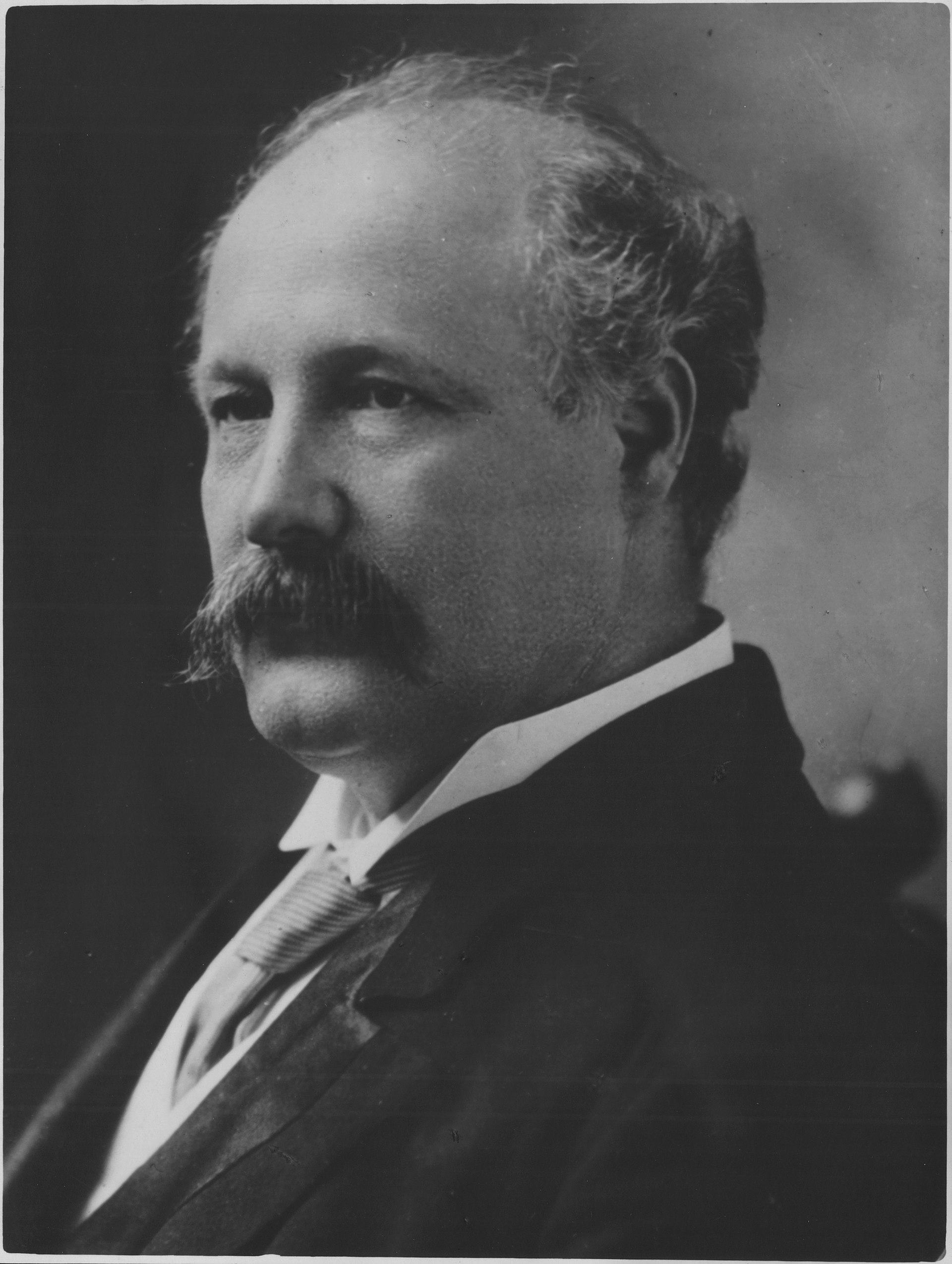
William Albert Sherwood (1859-1919) was born in Omemee on August 1, 1859. His father, William Sherwood, was born England, settled his family in Omemee, where he worked as a shoemaker. His mother was Eliza from Ireland, and his siblings included five brothers (Henry, Thomas, George, Joseph, Arthur) and three sisters (Ann, Jane, Laura.)
In 1881, The Canadian Post began publishing Sherwood’s poetry, starting with lines dedicated to the Rev. Dr. Jeffers, titled, “Mind and Matters.” At the time, Sherwood was living locally in Kawartha Lakes (then Victoria County.) The editor took a shining to Sherwood’s work and went on to publish many of his poems. Then, in the June 11, 1886 edition, the Post published this brief note about Sherwood, “We notice that Mr. W. A. Sherwood, artist, has taken charge of the department of drawing, painting and perspective at the Toronto business college.”
Even after Sherwood moved to Toronto, the Post continued to publish his poems, but by this time so were the Toronto papers and other papers across Canada and editors of poetry collections. It wasn’t long before Sherwood had his own volume of poetry published.
LAKE COUCHICHING
Oft have I loitered listening, Couchiching,
   To the soft lull of distant waving trees
At evening, and the sweet murmuring
   Of waters waken'd with the evening breeze
To one, whilst wandering thy shores along
Unseen, sweet voices hymn their evening song.

Long since the Red Man named thee Couchiching,
   Or built his wigwam rude upon thy shore;
But longer after shall the minstrel sing
   Of him that named thee but knows thee no more.
Unlike with thee had I that minstrel power,
I'd sing thee long, I'd sing thee every hour!

Hallowed that mourn when first we learn to know
   How near to Nature are the hearts we prove;
More hallowed still in even's after-glow,
   How dear to Nature is the one we love.
Thus thy bright waters, joyous Couchiching,
O'er one I love for ever seem to sing.

From, Songs of the Great Dominion, edited by William Douw Lighthall, Walter Scott, England, 1889.
Sherwood also wrote about Canadian art and gave speeches at events with his speeches being reproduced as essays in the Toronto papers. His most well-known essay was “The National Aspect of Canadian Art” that was included in Canada: and Encyclopaedia of the Country: History of Presbyterianism, edited by John Castell Hopkins, Linscott Publishing Company, 1898.
The want of a broad sympathetic interest in national Art has, however, deterred the progress and, to a large measure, fatally injured this branch of the Art life of our country. The evil has been increased by the taste of men of wealth in Montreal and Toronto, who have covered their walls with foreign pictures largely to the exclusion of native work. The contention that the native work is not equal in artistic treatment is advanced, and that it does not possess names which are world-honoured.
“The National Aspect of Canadian Art” by W.A. Sherwood, 1898.
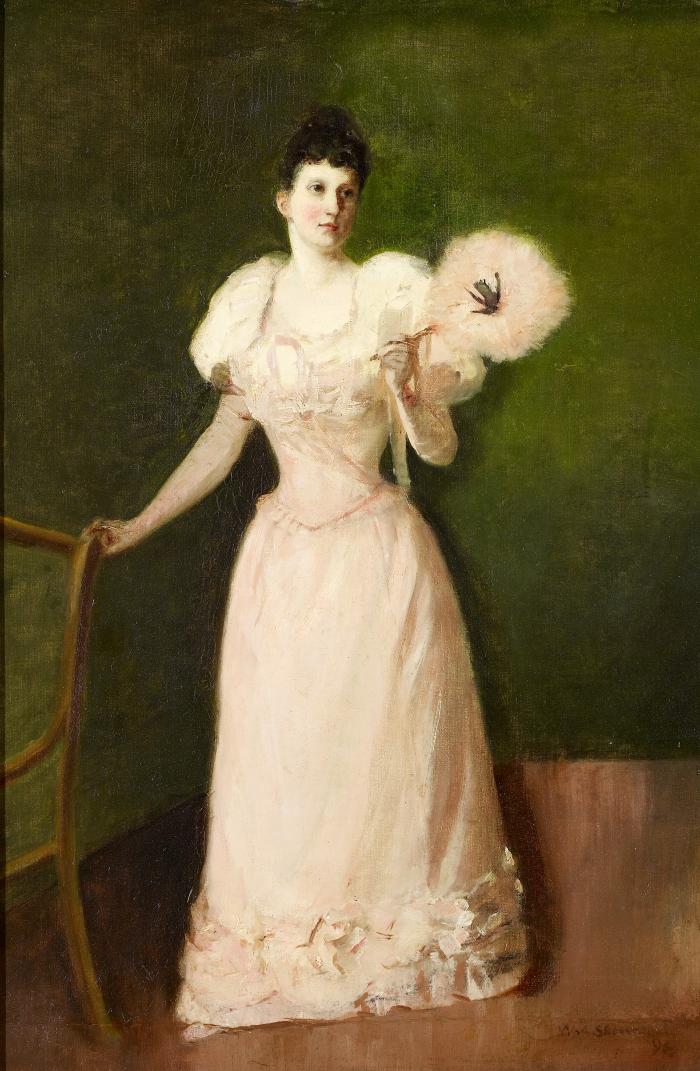
Sherwood painted his first portrait at age 15 and soon rose to prominence in Canadian art circles. In the 1881 Census, at just 26 years of age, Sherwood’s occupation is listed as ‘Artist.’ The best known of his paintings included, “The Gold Prospector,” which was in the possession of the Ontario Government at the time of Sherwood’s death, “The Canadian Rancher,” “The Canadian Backwoodsman,” “The Entomologist,” and “The Negotiation,” (pictured below) which was purchased by the Dominion Government.
His most controversial portrait was that of Sir George Ross.
In 1901, the Ross Club decided to have a portrait painted of the Premier of Ontario, Sir George Ross, for whom the club was named. They commissioned Sherwood, and the portrait was presented to Ross at a meeting in November that year at St. George’s Hall in Toronto.
Sherwood’s requested fee of $500 went unpaid. He claimed the frame alone cost him $100. He was paid $50.
Turns out, Ross despised the painting. He insisted that after the presentation the picture be “turned to the wall and shoved aside.”
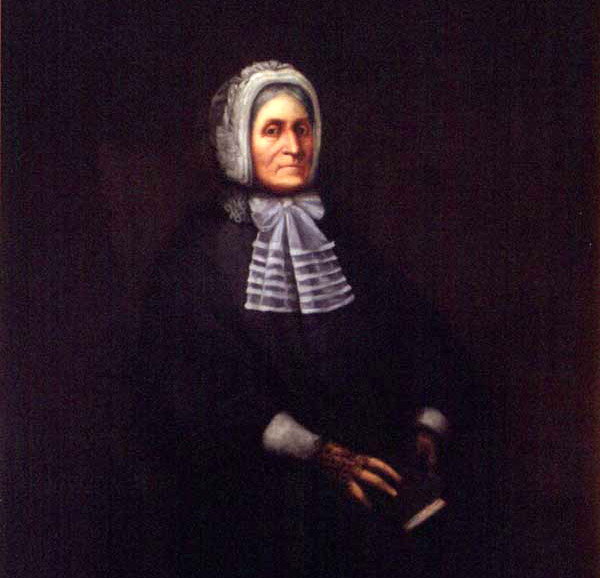
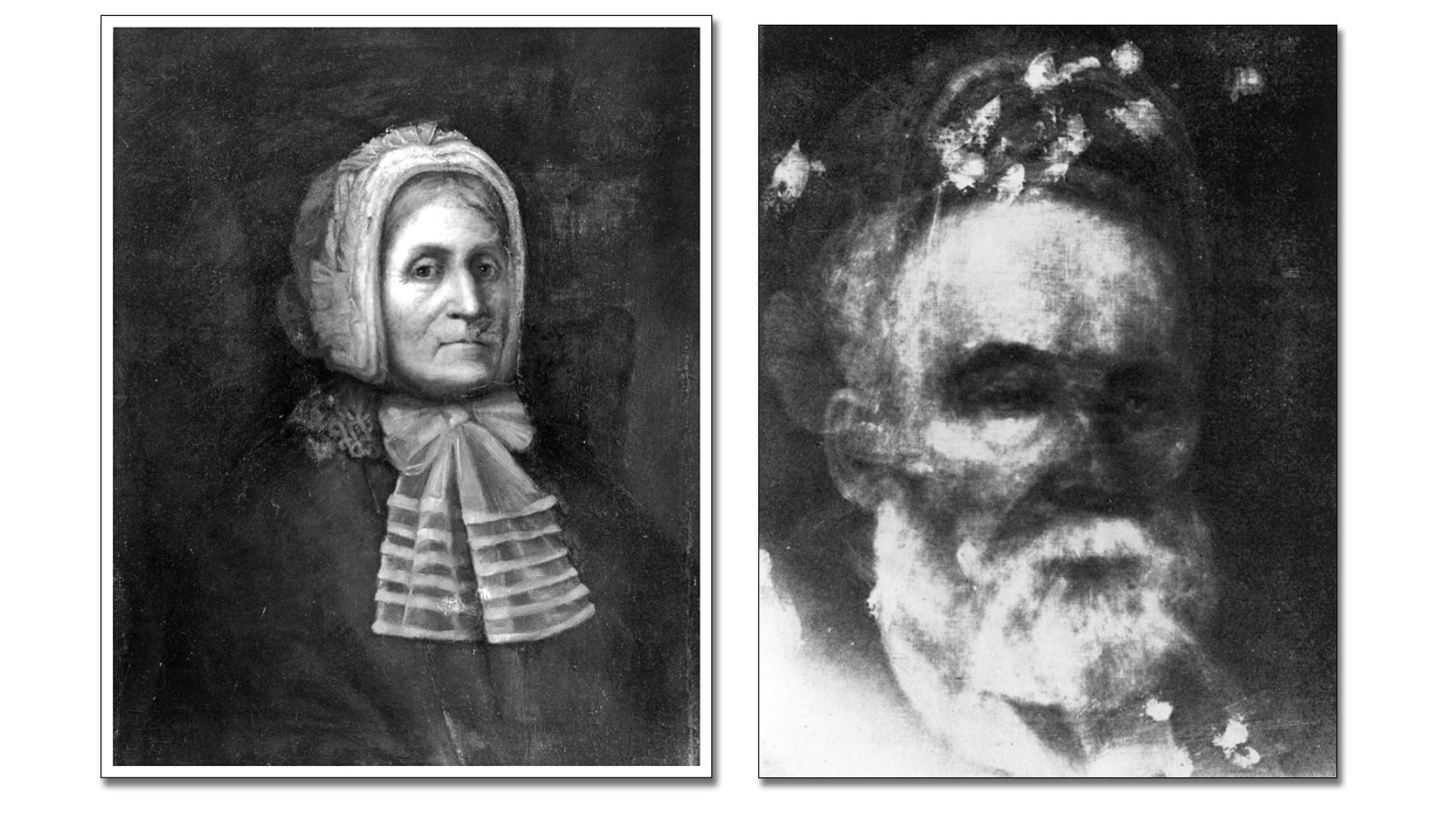
Instead, the painting was shipped to his home. Where his future wife, Mildred Peel, painted over it with a portrait of Laura Secord. The Secord painting was hung in the Provincial Legislature and she was paid a commission. Ross and Peel were married in 1907.
“Laura Secord” by Mildred Peel, 1904. At the Legislative Assembly of Ontario. (https://www.ola.org/en/photo/laura-secord)Detail of “Laura Secord” (left) and a 1936 x-ray of the same painting revealing the George Ross portrait beneath (right)
Among others, portrait subjects included Rev. Dr. Scadding, S.P. May, Lieut.-Col. A. E. Belcher, Alexander McLauchlan, the poet Sir Aemilius Irving, and Miss Pauline Johnson.
Sherwood exhibited in Canada, Great Britain and the United States. He was one of the founders of the Central School of Art and Design of Toronto and the Anglo-Saxon Union. He served as president of the Progress Club of Toronto in 1898 and also of the Victoria County Old Boys’ Association. He was a member of the Ontario Society of Artists, an Associate of the Royal Canadian Academy, and life member of the Canadian Institute.
In 1899, his painting, “St. Bernard,” was one of several selected by the Provincial Education Department and purchased by the Provincial Government. (Report of the Minister of Education, Ontario, 1899. Ontario Sessional Papers, 1900, No. 12-14.)
Sherwood died December 5, 1919 in Toronto and was buried at the Mount Pleasant Cemetery. He was unmarried with no children.
Works:
Sherwood, W. A., Lays, Lyrics and Legends, Hunter-Rose, 1914.
“Temperance soldiers: song and chorus,” lyrics by W.A. Sherwood, music by J.F. Johnstone. 1887.
“THE ROSS CLUB MEETING.” The Globe (1844-1936) Nov 12 1901.
“W. A. SHERWOOD, LOCAL ARTIST, PASSES AWAY: NOTED AS PAINTER OF PORTRAITS AND CANADIAN SCENE PICTURES END COMES SUDDENLY.” The Globe (1844-1936) Dec 06 1919.
“Funeral of W. A. Sherwood to Mt. Pleasant Cemetery.” The Globe (1844-1936) Dec 09 1919.
“TORY PAINTED ROSS PORTRAIT, LATER HEROINIE: PRESENTATION OF “LAURA SECORD” OIL 30 YEARS AGO RECALLED.” The Globe (1844-1936) Feb 26 1936.
Hollay Ghadery. Image from author’s facebook profile.
On the afternoon of Saturday, April 22, 2023, Hollay Ghadery launched her poetry collection, Rebellion Box, at the Kawartha Lakes Museum & Archives.
The occasion was a drop-in event, allowing guests to arrive anytime between 1pm and 4pm to visit with the author, buy her books, and enjoy the refreshments she brought.
My visit with the author was brief, but included chatting about women’s issues and the ghosts that haunt the old jail that houses the museum.
The museum is an excellent location for the launch since the title poem, “Rebellion Box,” was inspired by small wooden boxes made at Fort Henry by prisoners from the Rebellion of 1837.
The collection includes 63 poems of various types, and presents a portrait of the author as she pushes against the limitations of gender roles, race, bodies and minds.
That portrait is at times intimate, as in “Postcard, Santa Maria,” where the author writes,
I'm  not that girl
anymore. I
have the
conviction
of dust and

the cervix
of a fifteen-year-old,
my doctor says.
Not bad
for four kids

so I believe
in anything
so I can
belive
at all.
Other poems like “Search History” and “Fight like a Girl” feel universal and vast. The collection conveys many relatable experiences.
What follows is my interview with Hollay Ghadery about Rebellion Box.
KLW: What made you first take up writing poetry?
HG: I started writing poetry because it seemed the most fitting way to process my understanding of the world. I live with OCD and anxiety and from the time I was a young child, I needed someway to make sense of the way I experienced life, which I recognized was at odds with what most people experienced. Poetry—this small, exacting form—gave me a manageable way to try to make sense of the enormity of what I was feeling, as I was feeling it, without having to have the vocabulary to analyze it—which I didn’t have as a kid.
Poetry is, for me, a way to take control of something, but also, to let it go—very important when living with OCD.
KLW: As someone who also lives with high anxiety, I very much understand the need to find something that can be controlled or managed. How do you keep anxiety and OCD from turning into paralyzing perfectionism or otherwise preventing you from publishing and sharing your work?
HG: My OCD and anxiety centre around existential dread that I may not have time to do and say everything I want to, so I definitely don’t have an issue sending my work out there into the world.
KLW: Some of your poems feel like they come from a deeply personal place, while others have a clearly separate voice to them. Do you write all of your poetry from your own self, or do you adopt a point of view or persona when you write?
HG: Everything I write is from my own experience; my own self. Even if I am writing through another persona, it’s because I’ve seen something in that individual that resonates with me; I’ve found a connection. Usually, a connection that makes me feel less alone in something I struggle with. For instance, I wrote a poem for Thomas Foster–the former mayor of Toronto and a businessman. On the surface, we have little in common but Foster also created (or had created), The Foster Memorial: a Byzantine-inspired mausoleum located outside Uxbridge, Ontario. It was erected1936 in honour of his daughter, Ruby, who died just before her tenth birthday of pneumonia, and his wife, Elizabeth, who died a few years later of an undocumented cause. Living with existential OCD, I understand the very existential impulse to create art as a means to immortality.
KLW: One last question: what advice do you have for someone just starting to write poetry?
HG: Great question! I’d say to read poetry and read it widely. There are so many different types and styles and I find many people new to writing it have a relatively narrow understanding of the scope, and as a result, can really stunt their own development. Also, read interviews with poets. Read reviews of books of poetry. Really immerse yourself on the more technical side of the art. It’s not glamorous but I think it’s necessary to write well.
Lindsay native turned stagecoach robber, Pearl Hart (1871-1935), was also a poet.
On April 19, 1871, Lillie Naomi Davey was born in Lindsay, Ontario to parents, Albert Davey and Anna Duval. (Anna was also born in Lindsay in 1846.) She had eight siblings. Her father was a drunken lout who sexually assaulted a young girl. He was many times sentenced to jail in Lindsay for drunk and disorderly conduct, but after attempting to rape the young girl at knife point and being sentenced to a year in prison along with twelve strokes of the cat-o-nine-tails, he moved the family to Belleville, then to Orillia. It’s speculated that he sexually abused his eldest daughters, including Lillie and her sister Katy.
In her teen years, she called herself Lillie de la Valle, meaning Lillie of the Valley, and would eventually become Pearl Hart. Her upbringing was traumatic and violent. The family lived in poverty and frequently moved.
When she was 13, she and her younger sister, Katy, 11, cut their hair, dressed in their brother’s clothes, and stowed away aboard a lake steamer. They ended up in Buffalo, New York, where they found jobs in a local factory. It was two months before their mother found them.
After the family moved to Rochester, the Notorious Davey girls, Lillie and Katy, continued their charade as boys and thieved their way across the American mid-west, making headlines and telling their stories to reporters. They were arrested many times, and eventually Lillie was placed at Mercer Reformatory in Toronto.
After completing her term at Mercer, she rejoined Katy in Buffalo. By this time Katy had been working for a brothel and adopted the name, Minnie Hart. The brothel’s owner was named Pearl Hart, her common-law husband was Joe Hart. After she’d earned enough for Joe to open a saloon, Pearl closed her brothel. And Katy, as Minnie Hart, opened one of her own. She was only sixteen. Her sister joined her and they both worked as prostitutes.
Lillie hooked up with a young man and went west; the relationship didn’t last. While in Phoenix, Arizona, she worked as a prostitute using the name Pearl Hart. She scandalously wore men’s clothing, chain-smoked cigarettes, which she laced with opium, and became addicted to morphine. Her addicted, abusive husband found her Phoenix, she took him back, and through their tumultuous relationship, they conceived two children, a boy and a girl, which she sent to be raised by her family. When he resumed his abusive ways, she left him again. In 1898, opium use was legal, but prostitution was not, and Arizona began to crack down on its brothels, prompting Pearl to look for new work.
In 1899, she headed for a small mining settlement, set up her own tents for prostitution and learned how to shoot guns, but felt she could make more money in a larger town, so she relocated to Globe. Her abusive husband found her again, and took all her money before she kicked him out. Then Pearl received word that her mother was sick and wanted to see her before she died. Pearl said the news made her temporarily insane. She had no money to make the trip.
At that time, stagecoach robbery was becoming fashionable for criminals near Globe. So, to get enough money for a trip home, Pearl and her companion, Joe Boot, conceived the idea to rob a stagecoach.
On May 2, 1899, Pearl, dressed in a man’s clothing, and Joe robbed their first stagecoach. They made out with more than $300 and a pair of pistols, but gave back a silver dollar to each of the passengers. No one was hurt, but as soon as the coach arrived in Globe, the manhunt began.
They were captured on June 2. The woman stagecoach robber made national headlines. Reporters came from all over, and Pearl happily told her story to all of them, and even posed for photos. The sheriff let her wear men’s clothing and pose with unloaded guns.
Pearl was locked up in Tucson, where she struggled with her morphine addiction and was allowed visitors, which were frequent and included the pair of journalists who interviewed her for Cosmopolitan.
On October 11 and with the help of another prisoner, Pearl escaped, making headlines again, and this time her recently adopted feminist views were included in the stories; feminism was fast becoming fashionable at the time. Pearl’s significance as an icon was debated in the papers across the nation.
I shall never submit to be tried under the law that neither I nor my sex had a voice in making.
Pearl Hart
Nine days later, the pair were captured in New Mexico. Pearl and Joe faced trial in November, and were found guilty. He was sentenced to thirty years, while she was sentenced to five at Yuma prison.
While at Yuma, Pearl fought off her morphine addiction. She discovered she wouldn’t be able to escape this prison, but found a well-stocked library, and took up both reading and sewing.
This was also where she wrote poetry.
On June 2, 1900, the Arizona Star printed a news brief about Pearl kicking the morphine habit and taking up poetry writing, “unwinding it by the yard.” The brief said she wrote about being a girl bandit and her childhood. Two of her poems were mentioned: “The Girl Bandit” and “When She Was Young and Knew No Sin Before the Tempter Entered In.” The brief said that after the title, what followed was “a lot of doggerel of the rapid decent.”
Sounds like they weren’t fans of her poetry.
The following poem was the only one that survived. It was printed in the 31 July 1903 edition of Yuma’s Sun.
(to the tune of "The Fatal Wedding," a popular song at that time)

The sun was shining brightly on a pleasant afternoon.
My partner speaking lightly, said, "The stage will be here soon."
We saw it coming round the bend and called to them to halt.
Then to their pockets we did attend, if they got hurt, 'twas their own fault.

While the birds were sweetly singing, while the men stood up in line,
And the silver softly ringing as it touched this palm of mine.
There we took away their money, but left them enough to eat.
And the men they looked so funny as they vaulted in their seat.

Then up the road we galloped quickly, then through the canyon we did pass.
Over the mountains we went swiftly, trying tin find our horses grass.
Past the station we boldly went, then along the river side.
And our horses now being spent, of course we had to hide.

Now for five long nights we travel, in the day time we would rest.
Now we would throw ourselves on the gravel, and to sleep we try our best.
Around us now our horses stamping, looking for some hay or grain.
On the road the posse tramping, looking for us all in vain.

One more day they would not get us, but my horse got sour and thin,
And my partner was a mean cuss, so Bill Truman roped us in.
Thirty years my partner got, and I was given five.
He seems contented with his lot, and I am still alive.
The last line is a reference to Pearl’s decision to kill herself before going to jail, something she vowed at the times of her two captures.
Joe Boot managed to escape the Yuma prison in 1901, and when Pearl was interviewed, she told reporters that she planned to write “a poem extolling the virtues of Boot and his gallant escape.”
Due to a smallpox outbreak, Pearl was granted early parole and released from the prison in December 1902. She headed straight to Kansas City to live with her mother and sister Katy, and where she opened a cigar shop.
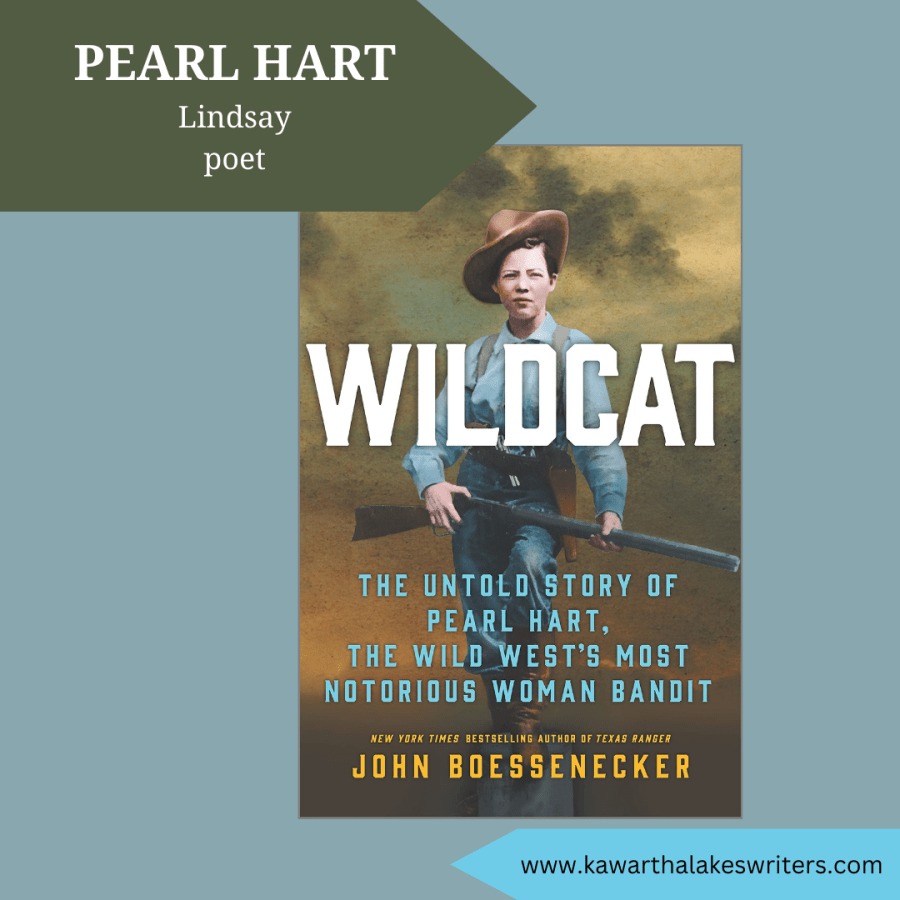
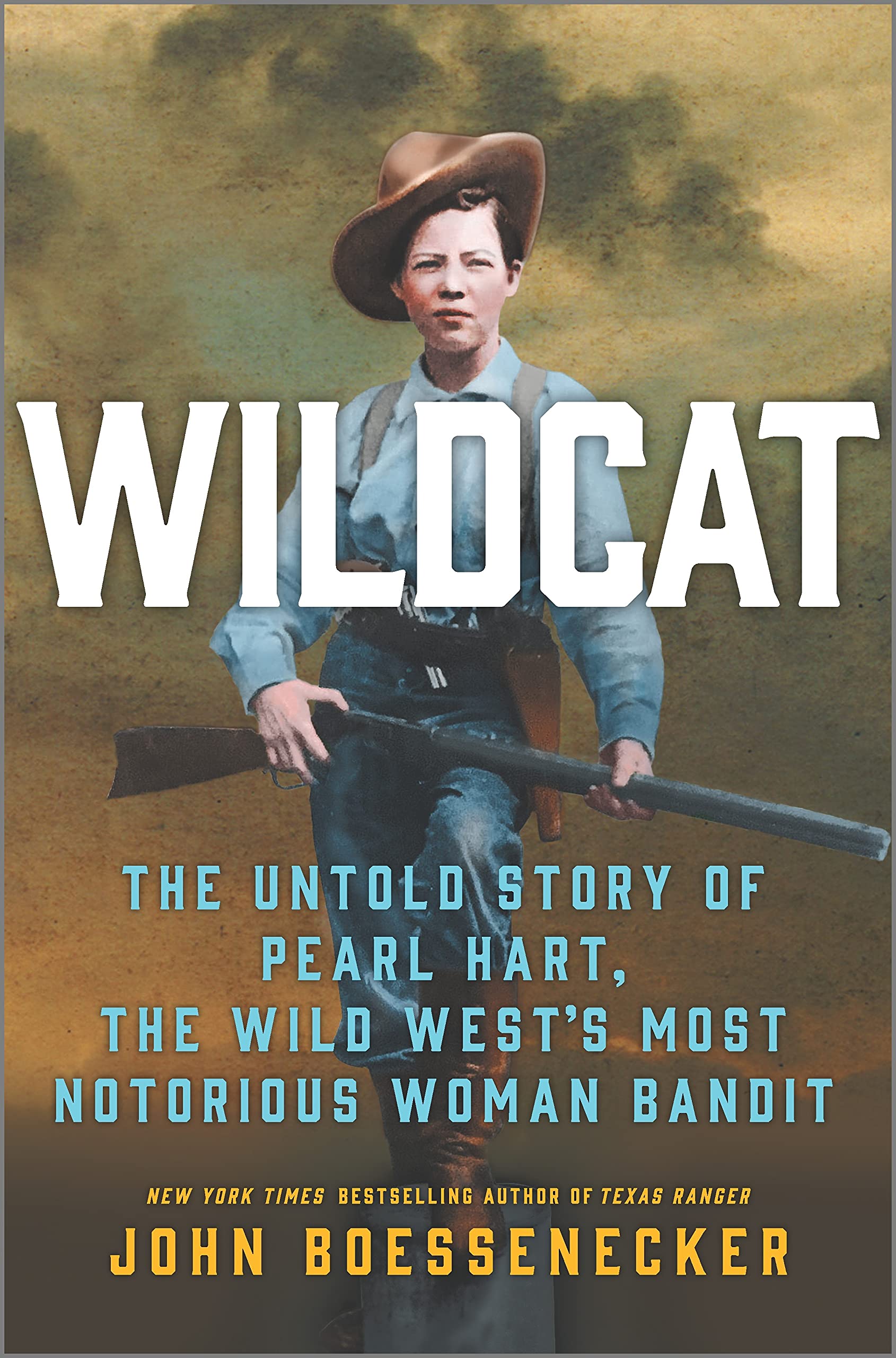
John Boessenecker’s book, Wildcat, is the most truthful and comprehensive account of Pearl Hart’s life. The level of research is remarkable. He has fact-checked Pearl’s outlandish tales told to reporters, and still presents Pearl honestly, as both victim and criminal. Over 300 pages long, the book leaves nothing out. Boessenecker also includes the fascinating stories and fates of Pearl’s family members and the lawmen that captured her, and of course, the story of her wild and traumatic childhood in Ontario and here, in Kawartha Lakes.
Further Reading:
Boessenecker, John. Wildcat: the untold story of the Canadian woman who became the West’s most notorious bandit. Hanover Square Press. 2021.
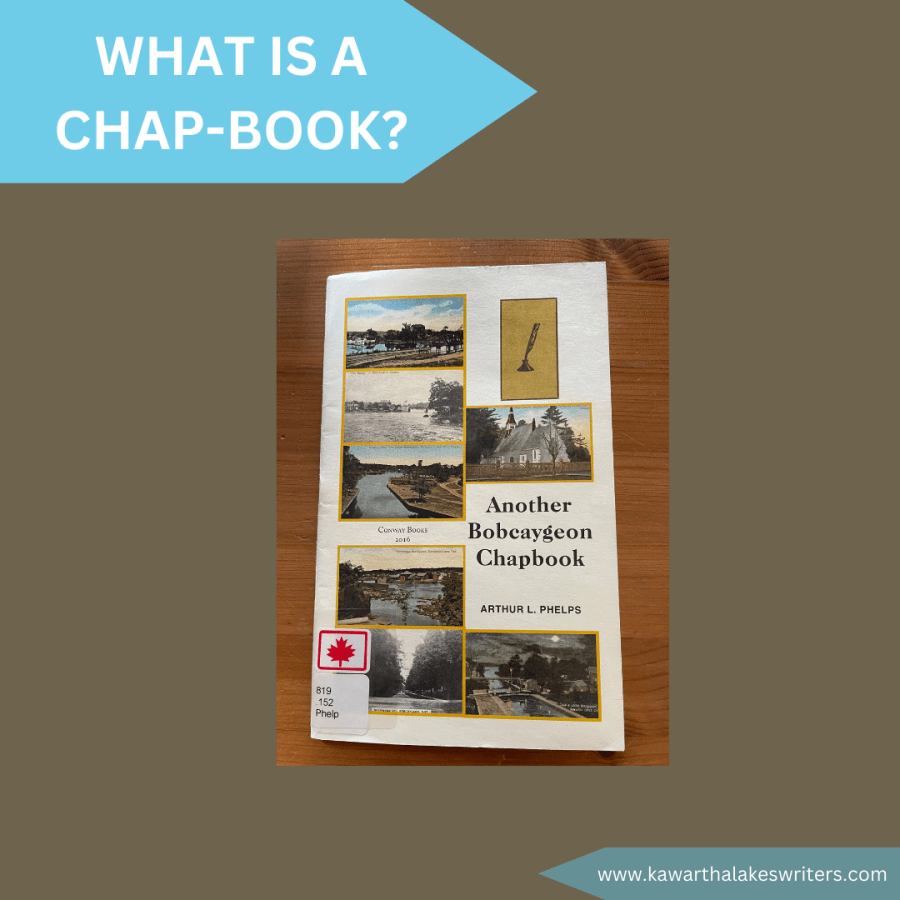
In 1922, Arthur L. Phelps published Bobcaygeon: a chap-book. But what exactly is a chap-book? Why not simply title the book Bobcaygeon?
According to Canadian Poetry, a chap-book is “an appurtenance of the aspiring poet–a small book written and designed to artistic standards, printed by the author at personal expense, bound inexpensively, and all in all produced outside the mainstream commercial book trade.”
Bobcaygeon was written by Phelps at his cottage, Walden Park, in Bobcaygeon. The chap-book was published by Phelps, printed in Lindsay, Ontario, and contained 16 poems divided into three parts.
“Part I of this book was done in one morning; Part III in another.” – Phelps, Bobcaygeon: a chap-book.
The author mentions his favourites in the introduction, while also mentioning his friend in the neighbouring cottage, E.J. Pratt, and his favourites lines from Phelps’s poems. Phelps suggests Pratt would be publishing his own chap-book in the summer.
Phelps may have started a trend. In 1925, Ryerson Press of Toronto began publishing chap-books, putting out a few titles every year until 1962. In total, over 200 chap-books of poetry were published.
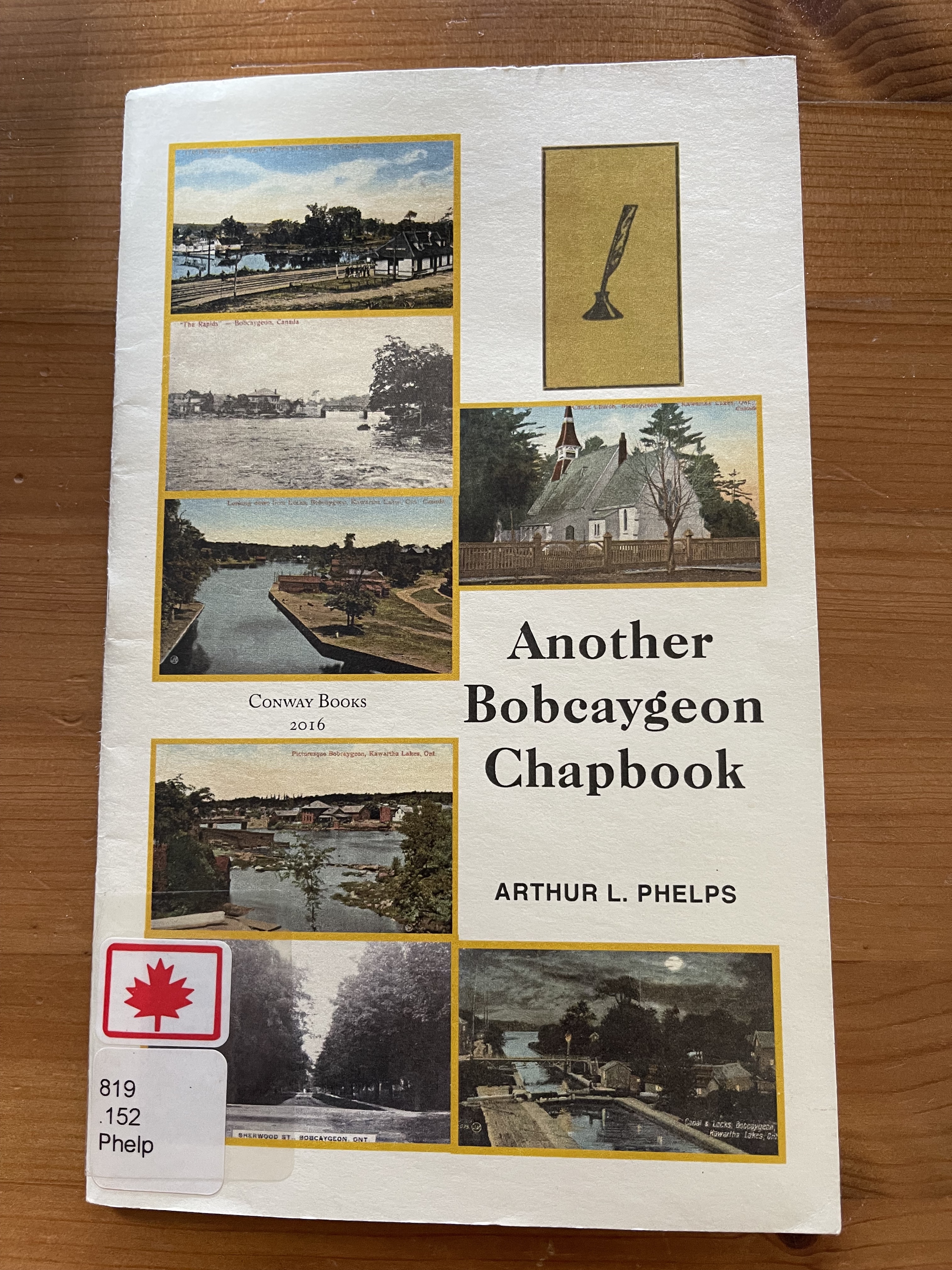
In 2016, Conway Books of Peterborough, reprinted Bobcaygeon: a chap-book together with Phelps’s poem “Bobcaygeon” (1919) and a short biography of Phelps.
PEACE

If you talk of the moon of amber
That comes over the jade woods
To spread silver on blue and black fields
I shall let you talk on,
And after,
Speak simply and slowly
Of moonless midnight and peace.
Arthur Leonard Phelps (1887-1970) was born in Columbus, Ontario on 1 December 1887, and in his lifetime moved around, but for a number of years he had a Bobcaygeon cottage. His ‘chap-book’, “Bobcaygeon: a sketch of a little town,” was published in Lindsay in 1922. Through his editing work and hosting a CBC radio show, Phelps influenced the development of a Canadian identity and was well-known as a critic of Canadian culture.
Phelps studied at Victoria College at the University of Toronto, where he met fellow writer, E. J. Pratt, and they became life-long friends.
Sometime within the next few years, he bought a cottage in Bobcaygeon and lived there permanently. The April 1919 edition of Canadian Bookman described Phelps as “permanently a denizen of Bobcaygeon, Ont., but his ministerial function in connection with the Methodist Church keeps him supplied with a temporary address, which happens just now to be Bath, Ont.”
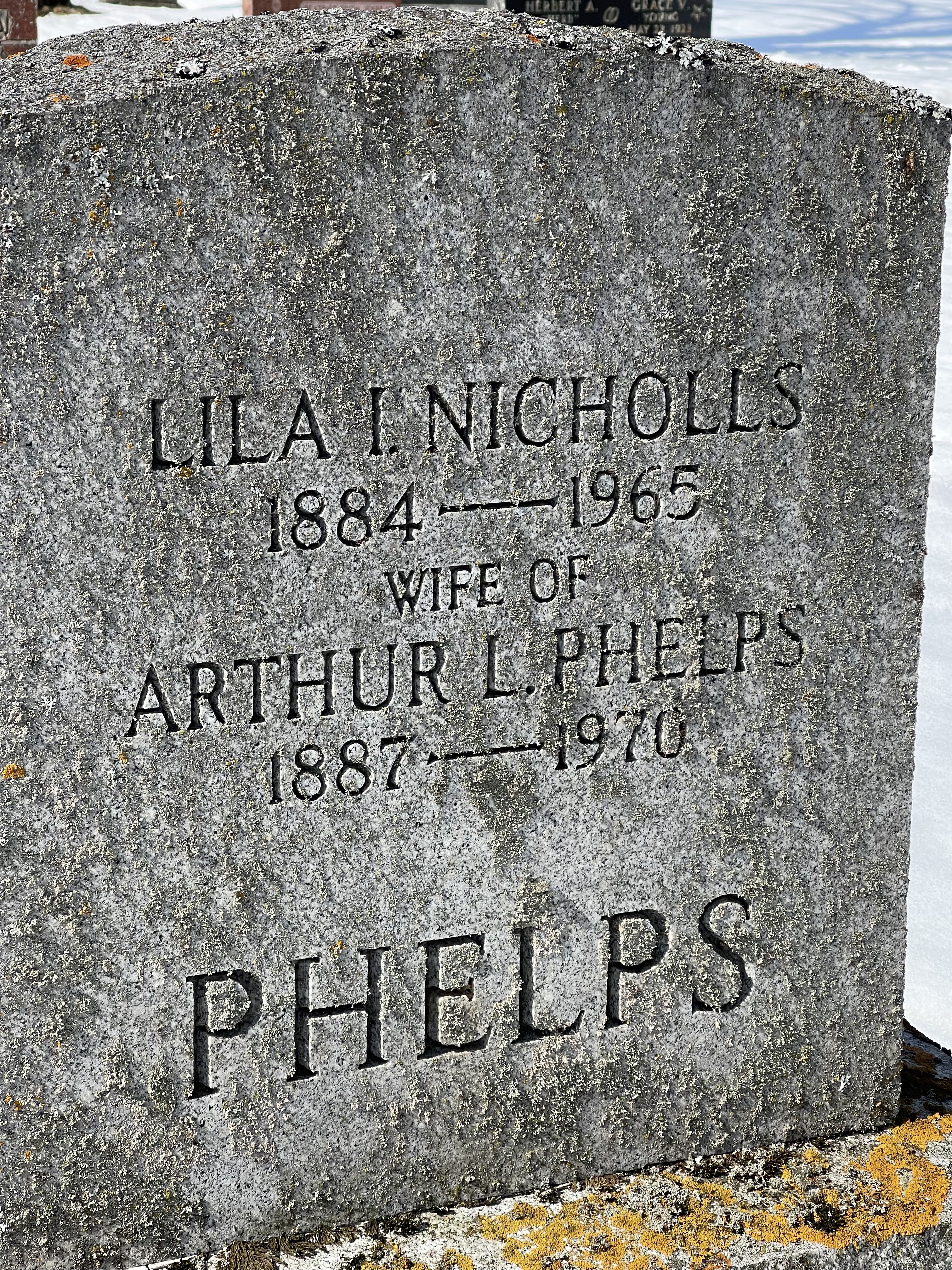
On 18 September 1914, Phelps married Lila Irene Nicholls, daughter of Thomas Henry Nicholls, a farmer in Verulam township, and Margaret Staples. Phelps and Lila were wed in Peterborough, Ontario.
In 1921 Phelps accepted a professorship at the Wesley College at the University of Manitoba where he was head of the English department. A year later, he asked his friend, and fellow KL writer, Watson Kirkconnell to work with him. At first Kirkconnell refused because English wasn’t his field of study. He studied the Classics at university. But then he changed his mind and accepted the position. Together they were the entire English department, with Kirkconnell teaching anything Phelps didn’t want.
During this time, Phelps kept the cottage at Bobcaygeon and spent his summers there. (Kirkconnell, A Slice of Canada: memoirs (1967).)
A visitor to the Bobcaygeon cottage crew was friend and fellow writer, Fredrick Phillip Grove. Grove named his son Leonard after Phelps and made Phelps the boy’s godfather. (“Afterword: genesis of a boys’ book.” Mary Rubino, 1982)
While at Wesley College, Phelps started the English Club, a discussion group for senior students, one of whom was Margaret Laurence. (Later, Laurence would move to Lakefield and become Chancellor to Trent University.)
Phelps stayed at Wesley College until 1945. He was awarded Fellowship in 1967.
Starting around 1940, Phelps was a radio broadcaster for the CBC, serving as a culture critic, trying to define a cultural identity for Canada. It was around this time when Canada was trying to define its own cultural identity as separate from Britain and the U.S.
Phelps has been widely quoted for saying, “a Canadian is one who is increasingly aware of being American in the continental sense, without being American in the national sense.” (The quote is from an article he wrote for The Listener, a BBC magazine, titled, “A Canadian looks back on the Royal Visit,” published in the 46th volume on Thursday, November 15, 1951.)
In 1947, Phelps became an English professor at Queen’s University, and while in Kingston, he hosted a radio show.
In the summer of 1955, Phelps hosted a television program called “Cabbages and Kings.” Phelps moderated the panel discussion show from Vancouver. Participants and subjects included Northrop Frye on Canadians’ reading habits; CJOR newsman Jack Webster and lawyer Bill McConnell on television and radio; and McConnell, writer Roderick Haig-Brown, and Hugh Christie, warden of Oakville Prison Farm on crime and society.
Unfortunately, Phelps did not include the work of the iconic Lucy Maud Montgomery as significant to the culture and identity of Canada. At least not while she was alive to be included. Nine years after her death, Phelps included Montgomery in his book, Canadian Writers, listing her accomplishments alongside other writers as E.J. Pratt, Robert W. Service, Frederick Philip Grove, Archibald Lampman, Stephen Leacock and other notables. The first half of his Montgomery article discusses other “popular” fiction writers and their place in “respectable artistic achievement,” indeed, the entire issue with Montgomery’s work until now was that it was commercially successful and written for girls. In this article, Phelps admits he’d not read Montgomery’s work before and when he checked out four of her books from the library, he was reassured to find her work was still popular. Phelps finally gets around to writing about Montgomery and her work in the last two pages of the article.
Phelps missed the mark on the draw of Montgomery’s work, though. He called her writing old fashioned, sentimental, nostalgic, and said, “L.M. Montgomery’s stories have qualities of range and subtlety and fine comprehension which make them relatively worthy.” He said, “the Island, the sea, the people of the Island, come alive in the telling. All this came about because L.M. Montgomery knew her Island– its places, its people– and, with direct unpretentious simplicity, through her an, was able to communicate something of what she knew.” (Canadian Writers, 1951.)
But Montgomery does not remain commercially successful even today because of nostalgia or because she knew the Island and its people. She remains popular because she gave girls a hero in Anne. She remains popular because Anne showed girls that it was okay to be angry and to feel alone.
It’s unfortunate that the fight between “commercially successful” and “literarily relevant” remains today.
Phelps’s first wife, Lila died in 1965. Phelps remarried in 1968 to Margaret Duncan. The 1921 census shows Phelps and Lila living with his parents in the Toronto area. They didn’t have children at that time. His obituary mentions his daughter Ann, married to John David Hamilton. The University of Manitoba notes the Phelps fonds were donated by his granddaughters, Meg and Kate Hamilton in 1997.
After Phelps was diagnosed with cancer, he was allowed to continue his radio show from his sick bed. He passed away April 27, 1970 at his home at 47 Earl Street in Kingston and was buried in Bobcaygeon. (Globe & Mail, 29 April 1970 page 41.)
Works:
Poems (1921)
Bobcaygeon: a chap-book (1922)
The Poetry of Today. (1917)
This Canada: A series of broadcasts. (1940)
These United States: A series of broadcasts. (1941)
Community and culture. (1947)
Canadian Writers. (1951)
“Introduction” for Habitant Poems by William Henry Drummond (1961)
There’s a wealth of Phelps’s work at Canada’s Library and Archives, particularly in the archived Film, Video and Sound collection.
In 1971, Arthur R. M. Lower published a brief biography of Phelps, “Arthur Leonard Phelps (1887-1970),” a chapter in the book, Proceedings of The Royal Society of Canada, series IV, volume IX, 1971, pages 94-96.
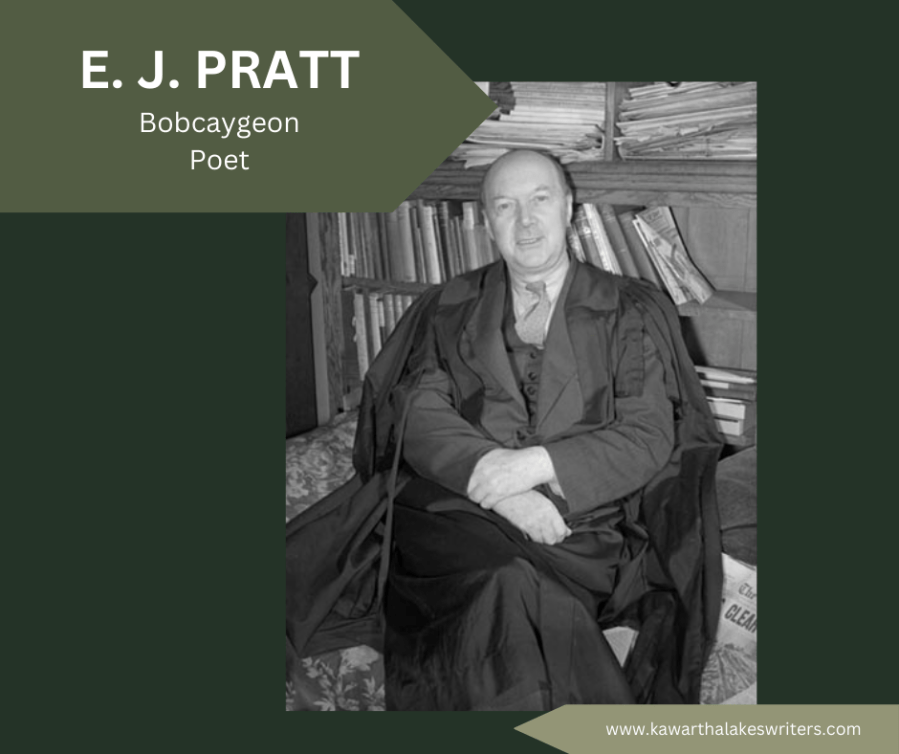
Edwin John Dove Pratt (1882-1964) was primarily Torontonian, but had a cottage in the Bobcaygeon area. He was a three-time winner of the Governor General’s Award for poetry and winner of many other awards, including in 1946, Companion of the Order of St. Michael and St. George by King George VI.
In 1935, the Montreal branch of the Canadian Authors Association had been running a successful annual poetry contest. They appointed a committee to see if publishing a periodical would be financially feasible. Disappointed by the results, they decided to not go through with the project.
One member of the CAA’s executive, another local Kawartha Lakes writer, E. A. Hardy heard about the end of the project and urged the national executive to take it on as a means of doing something for the entire membership. They agreed and the first issue of Canadian Poetry magazine was published in 1936. Pratt was appointed editor and served in that role until 1943.
EJ Pratt and Clare Pratt in Bobcaygeon, c 1931.
Pratt was born in Newfoundland on 4 February 1882, where he also trained to be a minister like his father, but instead went on to study psychology and theology at Victoria College at the University of Toronto. Themes of religion and psychology would thread his poetry.
While at Victoria College, Pratt met Viola Whitney, where they both worked for the college newspaper, of which Viola was the editor. Viola was also a writer and would go on to be a magazine editor. After four years of engagement, they married 20 August 1918.
Their daughter Claire was born in 1921. At just four years old, Claire contracted polio. The disease would affect the rest of her life, but not prevent her from becoming a publishing editor and author.
While at Victoria College, he met life-long friend, Arthur L. Phelps, another Bobcaygeon cottager and writer.
The Pratts visited Phelps and his wife Lila at their new Bobcaygeon home, and were immediately taken with it. Pratt almost bought a Bobcaygeon cottage in September 1918, but it didn’t work out. It wasn’t until 1921 when Pratt finally bought the Bobcaygeon cottage where he would do most of his writing during his summer vacations from his work at the University of Toronto.
Viola Pratt said, “Ned loved the place, which surprised me at first, because he wasn’t the type who ordinarily enjoyed ‘roughing it in the bush.’ He hated the mosquitoes — and we surely had lots — but he devised ways to combat them, and after a while he didn’t mind so much… It was really a delightful spot, right on the lake, surrounded by trees, mostly cedars, with a clearing out back that we called the Glade.” (Pitt. E.J. Pratt: the truant years. p. 199)
The Pratts financially extended themselves to acquire the cottage. They didn’t have a car; they took the train from Toronto to Bobcaygeon.
Pratt started a backyard garden, growing corn, beans, tomatoes, and squash. He’d hoped to grown enormous squash.
Pratt built himself a small cabin away from the cottage, where he went to write.
Pratt became a weekend host to his friends. He even picked them up at the train station– in a canoe. Weekend pastimes included canoe trips to Nogie’s Creek, a cookout at the stone fireplace by the lakeshore, and poetry readings.
The Bobcaygeon summers, especially the early ones were golden times for Pratt, among the happiest he would ever know… halcyon days.
Pitt. E.J. Pratt: the Truant years.
Among his guests were William Arthur Deacon, who also bought a cottage nearby, Fredrick Philip Grove, Pelham Edgar, E.K. Brown.
Pratt was known to lend the cottage, as he did to Deacon in 1926 when Deacon and family were looking to get away from the city. Pratt wrote to Deacon, “From the 15th of June until July 20th it is at your disposal. Why not send Mrs Deacon and the Kiddies up there on the earlier date, you going, say, week ends till your vacation starts. The Phelpses are next door and will give her all the advice re food and other desirables. By then the lettuce will be up and by July the peas ought to be forming. The strawberries look promising.” (https://www.trentu.ca/faculty/pratt/letters/texts/260603dea.html)
Pratt family with Deacon family, c. 1930.
Frederick Varley, one of the founding members of the Group of Seven, was the artist for E.J. Pratt’s Newfoundland Verse (1923). When Varley and his family were evicted from their Toronto house, Pratt let Varley, his wife Maud and their four children camp in a tent on the lot next to the Pratt’s cottage. “A large army tent pitched on a wooden platform supplied them with at least a shelter from the elements, and the Pratt cottage the necessary domestic facilities. Not infrequently too the grocery bill to feed five extra mouths was paid out of Pratt’s meagre pocket.” (Pitt. E.J. Pratt: the truant years. p. 226.)
During that time, Varley made a charcoal sketch of his wife Maud with their youngest son, Peter, curled up in her lap. The tent can be seen in the upper left corner. The sketch, titled Bobcaygeon, 1923 (private collection), was sold in 1926 by Maud to raise enough funds for her to travel with the children to Vancouver. Varley painted a similar picture, Evening in Camp, 1923 (private collection.) (Katerina Atanassova, F.H. Varley: portraits into the light, Dundurn Press. 2007.)
Sometimes Pratt’s summer retreats involved golfing in Lindsay with Watson Kirkconnell.
[Pratt] needed a little relaxation before completing his preparations for what he was already planning to make a ‘triumphal progress.’ Having promised Kirkconnell a few games of golf on the course at nearby Lindsay, where ‘Kirk’ usually spent his summers, Pratt took his clubs with him and during the first week or so of his holiday pleasantly indulged himself in his favourite sport for almost the first time since the previous autumn.
David G. Pitt. E.J. Pratt: the master years (1927-1964), page 22.
As he was closing the cottage in the autumn of 1925, Pratt asked a local handyman to build a swimming dock, using the wood from Varley’s tent platform. Pratt wanted “an enclosure in which little Claire might paddle, safe from the remnants of submerged tree stumps and the danger of going beyond her depth.” He suggested if the the handyman needed more lumber he could get it from the local lumber ‘magnate’ and building contractor (i.e. Mossom Boyd Lumber Company.)
What Pratt found the following spring was “a leviathan of a wharf.” It seems the handyman placed an order in Pratt’s name with the contractor for an “Ontario dock,” or pier. It was built by half-a-dozen carpenters and “vast quantities of the best materials.” Arthur Phelps described it as big enough “to tie up an ocean liner at if one ever came into the Kawartha region.”
The bill was equally as enormous. Pratt, feeling he’d been tricked into the large pier, chose to fight. He wrote his tale in full to a lawyer. The lawyer agreed to appear in court in Lindsay, if the case went to trial, which it did not. Both parties agreed to compromise. Pratt ended up paying $200 and the “magnate” withdrew his suit for further payment. (Pitt. E.J. Pratt: the truant years. page 298-299.)
The summer of 1935 was the last summer in Bobcaygeon for Pratt. Financial reasons due to Claire’s numerous operations and the economy of the times, forced Pratt into one of the hardest decisions he had ever made. The cottage was in need of numerous repairs, but ultimately the decision to sell was due to Claire: “her condition was unlikely to permit her ever again to take full advantage of the natural amenities, swimming in particular,” which Pratt felt was the best thing about Bobcaygeon. (Pitt. E.J. Pratt: the master years. page 164-165.)
That last summer at the cottage, Pratt wrote The Titanic, a dark, tragic poem that he found depressing and was glad when he finished it.
Pratt never returned to Bobcaygeon, though he missed the cottage days and would reminisce with his friends of his halcyon days there.
Pratt’s cottage was featured in John Robert Columbo’s Canadian Literary Landmarks (1984.) At the time of printing, the cottage was still standing. Overlooking Sturgeon Lake, the cottage had a verandah and a green den, according to the brief write-up.
Arthur Phelps said, “One of the best things that ever happened to Ned Pratt was his marrying Viola Whitney. Up until then he was just drifting hither and yon with every tide that rose and fell. He had no settled way of life, no regular job, not actual goal in life. And this was bound to militate against any real creativity. But after he got married all that began to change…” (Pitt. E.J. Pratt: the truant years. p. 172)
But without his cottage, it seems Pratt became untethered.
In the summer of 1937, Pratt went to teach summer school at the University of British Columbia where he began an extramarital affair with a graduate student. She transferred to Victoria College (Toronto) in the fall and the affair continued until the spring of 1938. Although his college friends knew about the affair and encouraged him to end it, his wife and daughter never knew and the affair never affected his career. (http://www.trentu.ca/faculty/pratt/letters/texts/38springdea.html)
Pratt is internationally famous for his epic poems of national significance. He won the Governor General’s Award three times: in 1937 for The Fable of the Goats and other Poems; in 1940 for Brébeuf and his Brethren; and in 1952, for Towards the Last Spike.
His biographer, David Pitt writes, Pratt had been a “faithful if less than zealous member [of the Canadian Authors’ Association]. But he had no wish to be anything more, partly one gathers, because a large proportion of the Toronto membership was made up of ‘literary females,’ a species of which he was not particularly fond.” (Pitt, E.J. Pratt: the truant years. pages 312-313.)
Pratt and his friends Deacon and Edgar were not at all kind to women authors, even if the women were incredibly successful, as seen these notes about how they treated Madge Macbeth and Lucy Maud Montgomery:
Although it did have slightly more women members, the association was continually run by men, some of whom fought against female leadership. Carole Gerson, for example, points to an example of this “gendered subtext to Canadian literary politics” in Kathryn Colquhorn’s description of Madge Macbeth’s reception at a C.A.A. convention. Macbeth went to Toronto to make a speech at the Annual C.A.A. dinner:
[Macbeth] had a pretty mean reception here . . . Pratt was in the chair and he, and Prof. De Lury, spoke so long, that she didn’t get a chance to say a word. A lot of people thought that it was a put up job, as Pratt had charge of things as chairman. Then, when she was elected National President, none of the Executive, Pratt, Deacon, or Edgar, attended the Convention. (Kathryn Colquhorn qtd. in Gerson “The Canon” 54)
Christopher M. Doody. “A Union of the inkpot: the Canadian Authors’ Association, 1921-1960.” 2016.
E. J. Pratt died 26 April 1964 in Toronto.
He was designated a Person of Historical Significance in 1975.
The library at Victoria College in Toronto was named after him and contains his fonds. The university also awards the E.J. Pratt Medal and Prize for poetry and past winners included Margaret Atwood and Michael Ondaatje.
The University of Toronto created the E.J. Pratt Chair in Canadian Literature, which since its founding has been held by George Elliot Clarke.
In 1983, Canada Post issued an E.J. Pratt commemorative stamp.
Poetry
Rachel: a sea story of Newfoundland, (1917)
Newfoundland Verse (1923)
The Witches’ Brew (1925)
Titans (“The Cachalot, The Great Feud”) (1926)
The Iron Door: An Ode (1927)
The Roosevelt and the Antinoe (1930)
Verses of the Sea (1930)
Many Moods (1932)
The Titanic (1935)
New Provinces: Poems of Several Authors (1936)
The Fable of the Goats and Other Poems (1937)
Brebeuf and his Brethren (1940)
Dunkirk (1941)
Still Life and Other Verse (1943)
Collected Poems of E. J. Pratt (1944)
They Are Returning (1945)
Behind the Log (1947)
Ten Selected Poems (1947)
Towards the Last Spike (1952)
“Magic in Everything” [Christmas card] (1956)
Collected Poems of E. J. Pratt (1958)
The Royal Visit: 1959 (1959)
Here the Tides Flow (1962)
Prose
Studies in Pauline Eschatology (1917)
“Canadian Poetry – Past and Present,” University of Toronto Quarterly, VIII:1 (Oct. 1938)
Edited
Thomas Hardy, Under the Greenwood Tre. (1937)
Heroic Tales in Verse (1941)
Further Reading:
E. J. Pratt: The Truant Years 1882-1927. David G. Pitt. (1984)
E. J. Pratt: the Master Years 1927-1964. David G. Pitt (1987)
















 kawarthalakeswriters.com
